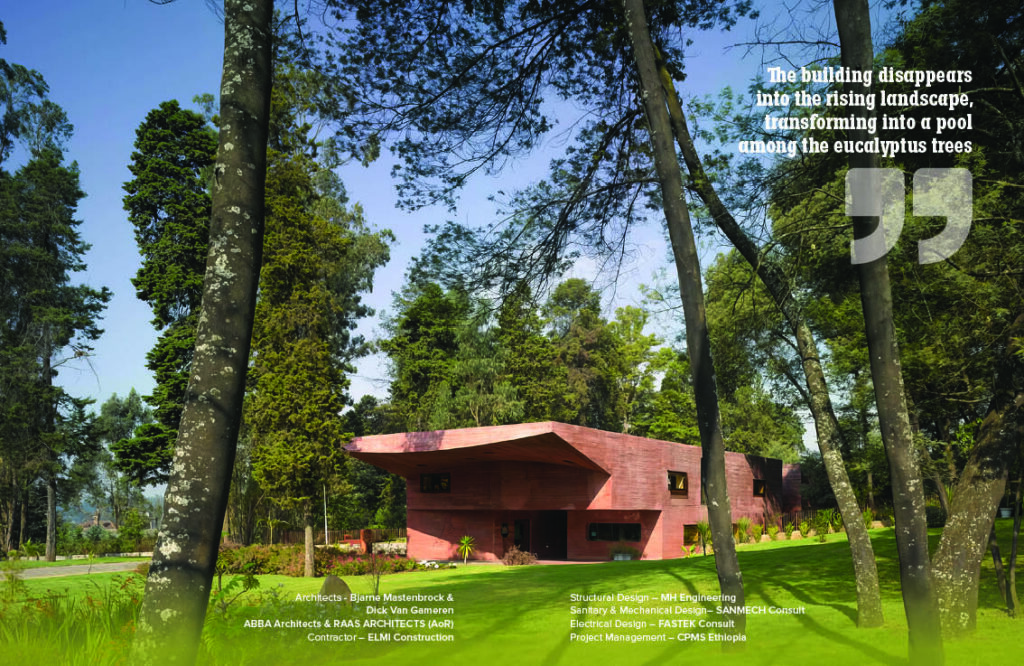
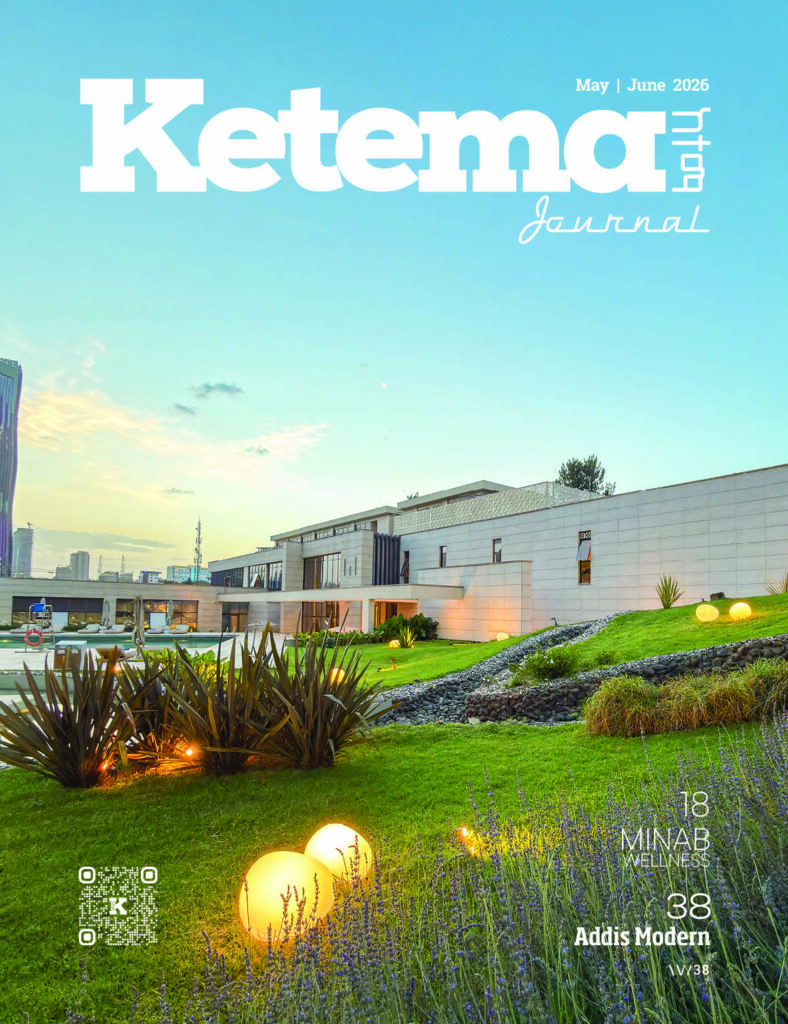
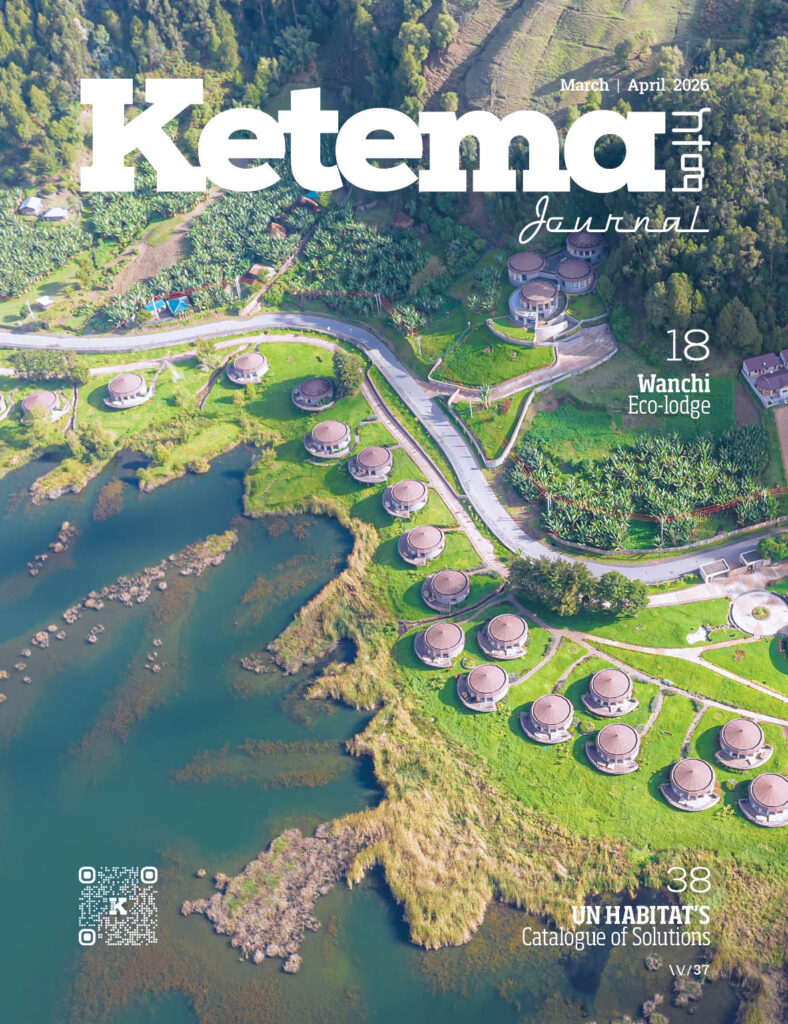
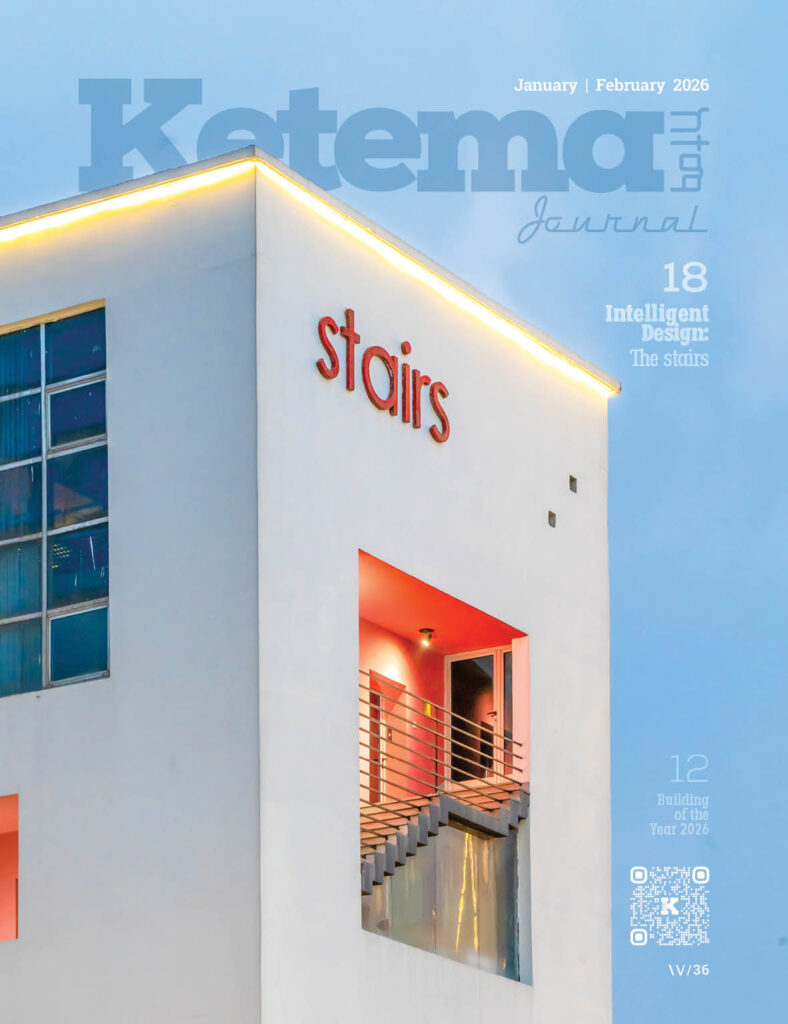
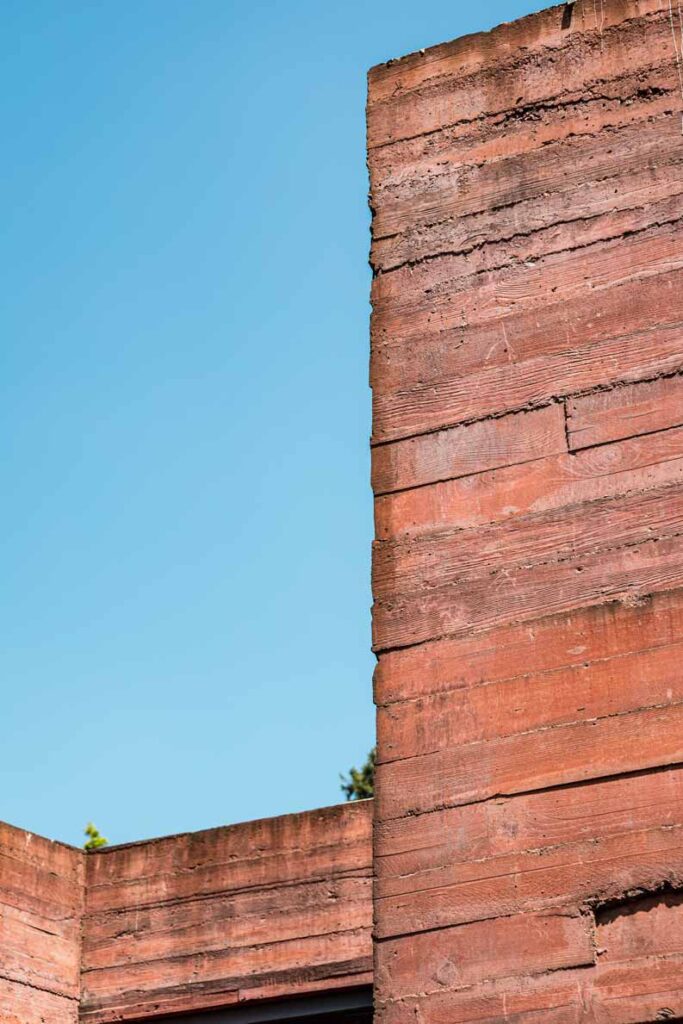
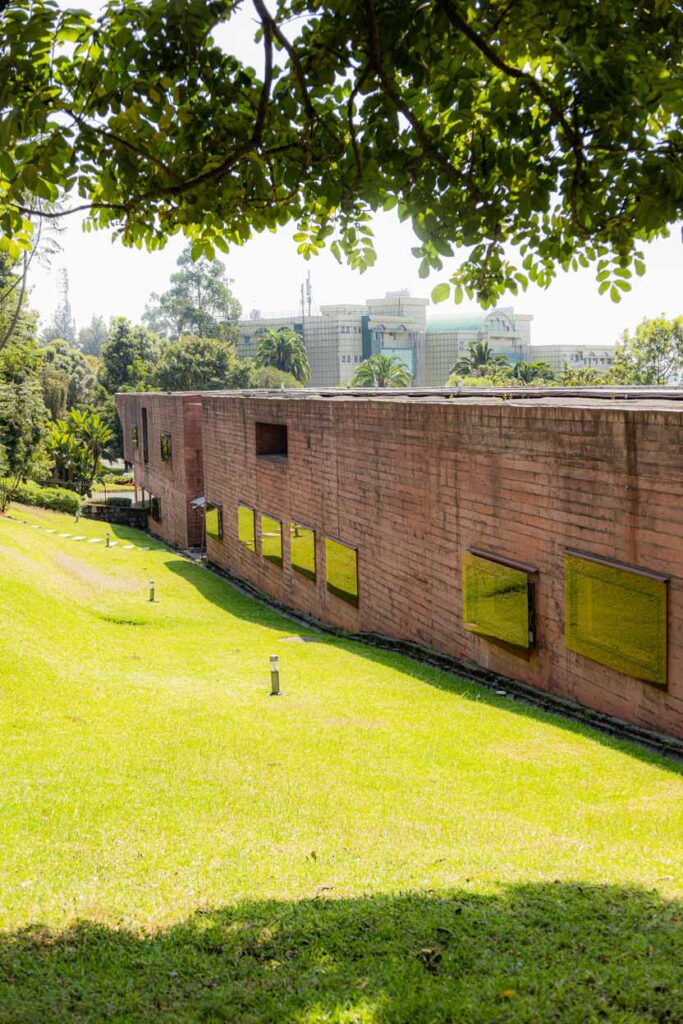
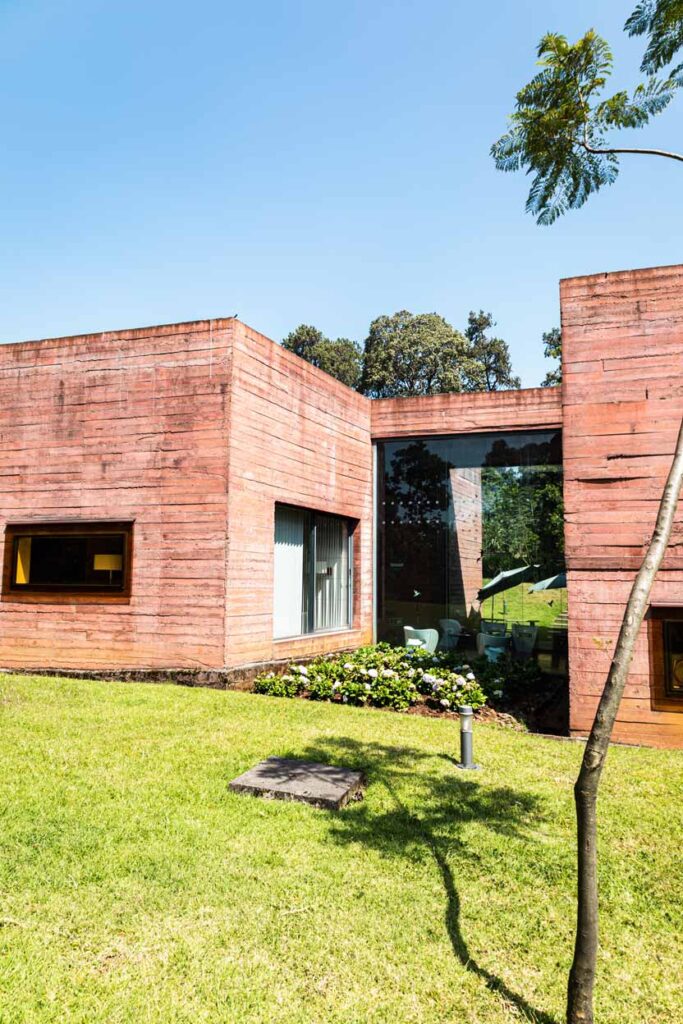
Set on a sloping site, the building leans into the contours of the land rather than fighting against them, and it is from this meeting of ground and structure that the architecture begins to speak. The walls are cast in concrete, pigmented with iron oxide so they echo the reddish tones of Ethiopia’s earth. Their texture carries the memory of plywood form-work, leaving block-like impressions that feel both deliberate and unfinished. This choice was never about perfection. In fact, the architects often insisted that the building should be more imperfect, embracing a rustic honesty that allows time, weather, and touch to leave their mark. This theme of imperfection reflects the rustic look of Lalibela, emphasizing that an unfinished appearance was an intentional goal.
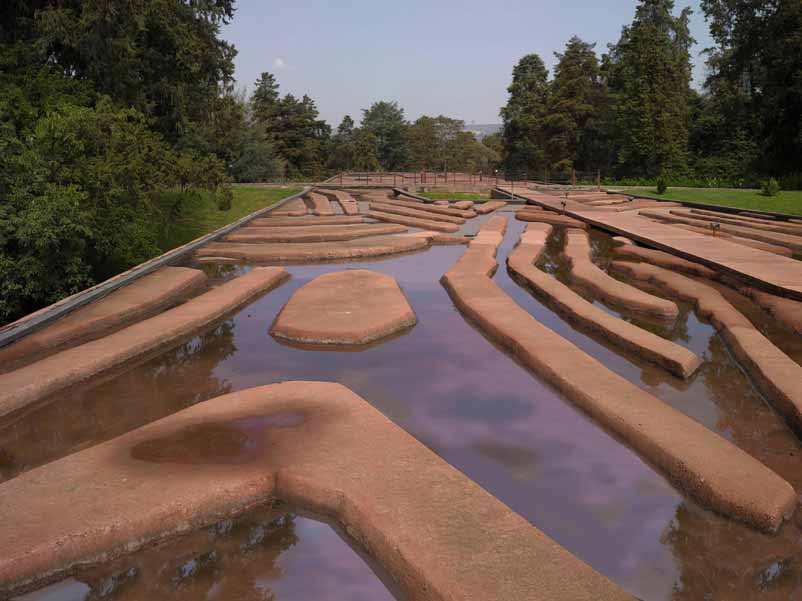
Above, the roof is not hidden but made part of the architecture’s story. Stones line its edges, guiding water into channels that trace patterns across the surface. When the rains come, those lines transform into small rivers, reminding visitors of the Dutch obsession with water—rooted in a country surrounded by it—and the Ethiopian reverence for the life it brings. The roof is thick, solid, and yet open to movement—one can climb up, walk across, and see the compound from a higher point, as though the building wants to be experienced as both ground and shelter.
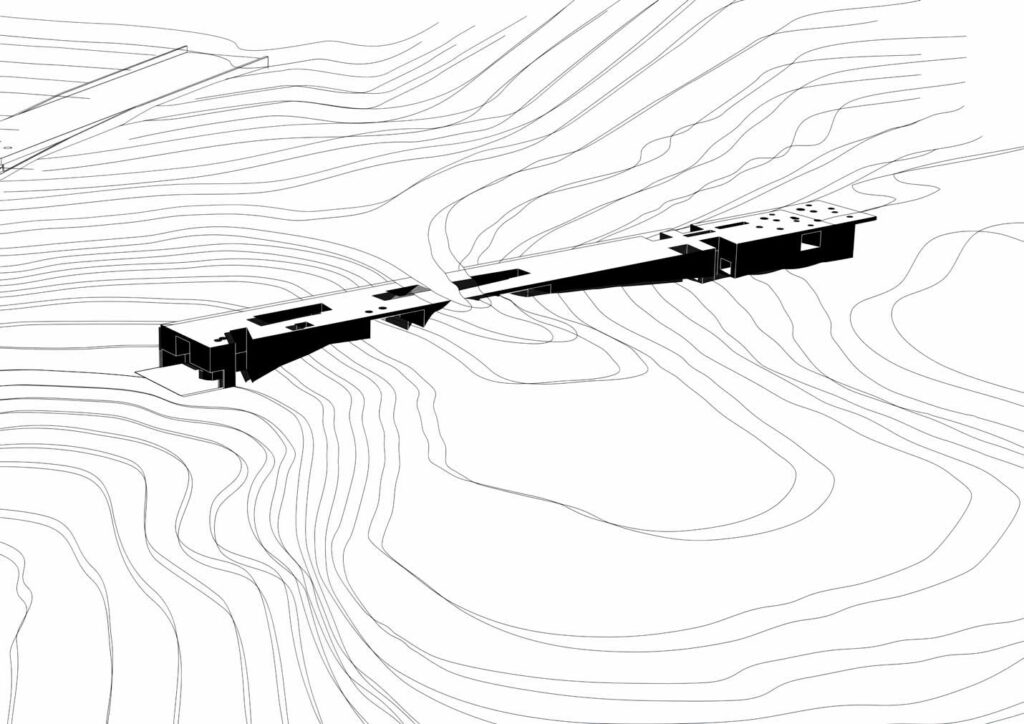
The compound itself is divided, yet it feels continuous. One long building is split into two distinct domains: the residence and the chancellery. Each has its own rhythm, its own sense of privacy, but together they form a dialogue. Around them, smaller buildings and additions fill out the life of the embassy—a deputy’s residence, a series of terraced staff houses, a daycare, storage and security buildings, even a small structure pieced together from scraps salvaged during the demolition of Piassa. None of these elements feel accidental. They echo the same attitude of sustainability that runs throughout the design, which was conceived by Dutch and Ethiopian architects. One of the architects Dick van Gameren, champions the concept of “building landscapes” in most of his projects. This approach seeks to create structures that seamlessly fit within their environments, aiming for a design that avoids any appearance of intrusive infrastructure.
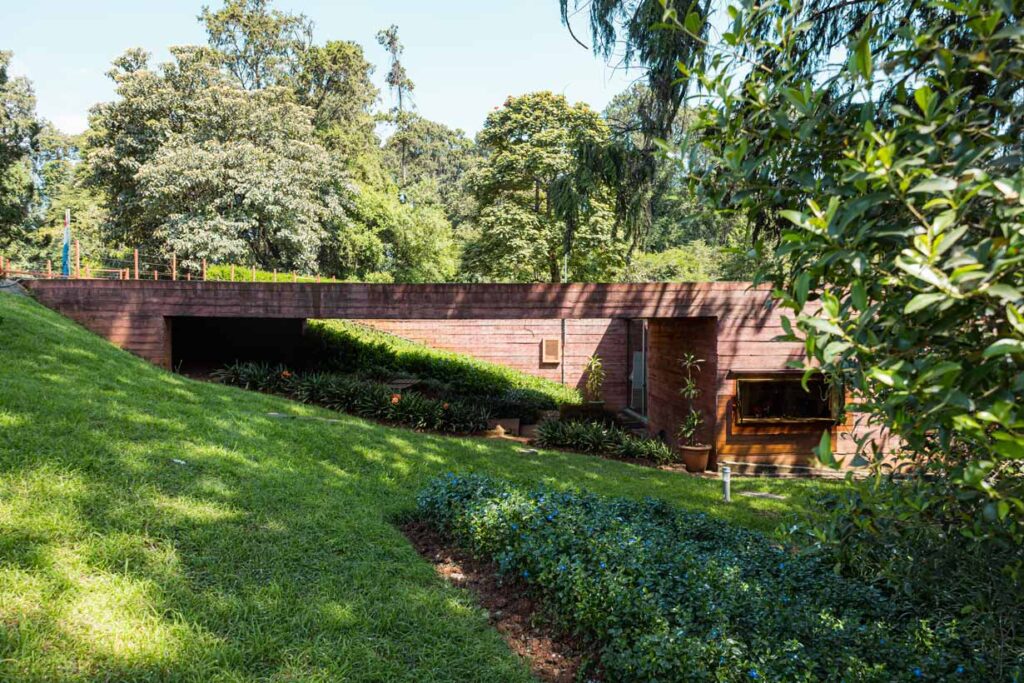
The staff houses in particular carry a thoughtful intimacy: arranged one behind the other, each has its own garden, yet the roof of one house becomes the green space for the house above it. Privacy and connection exist side by side, so that those who live here feel sheltered without being cut off. As the architect said, “We want the people living here to feel like they are the only one.”

Inside the main building, the floors rise gently with the slope of the land, carrying you upward without rush. Light enters carefully, filtered through skylights and large glazed panels that have no mullions to interrupt them. Where glass meets concrete, the contrast is striking—rough beside smooth, opaque beside clear—but never jarring. The spaces are cave-like in places, recalling the rock-hewn churches of Lalibela and illustrating a deep sense of spirituality and identity. In others, they open suddenly to greenery or sky, giving the impression of stepping from shelter into landscape.
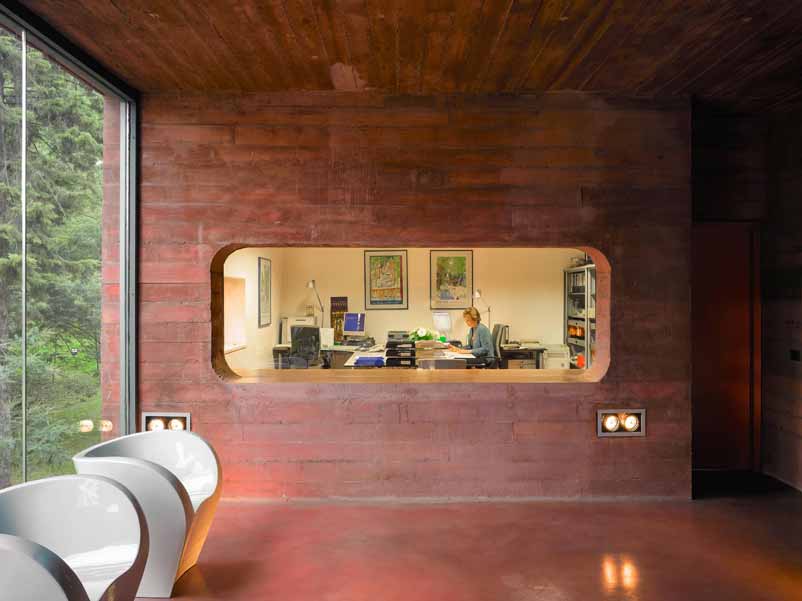
Details are handled with the same material honesty: a reception desk cast directly in concrete, staircases with handrails that are also part of the concrete form, a kitchen table that is pre-cast rather than added later. Even the art inside is not just visual decoration but also acoustic, softening the echoes that raw concrete might otherwise hold.
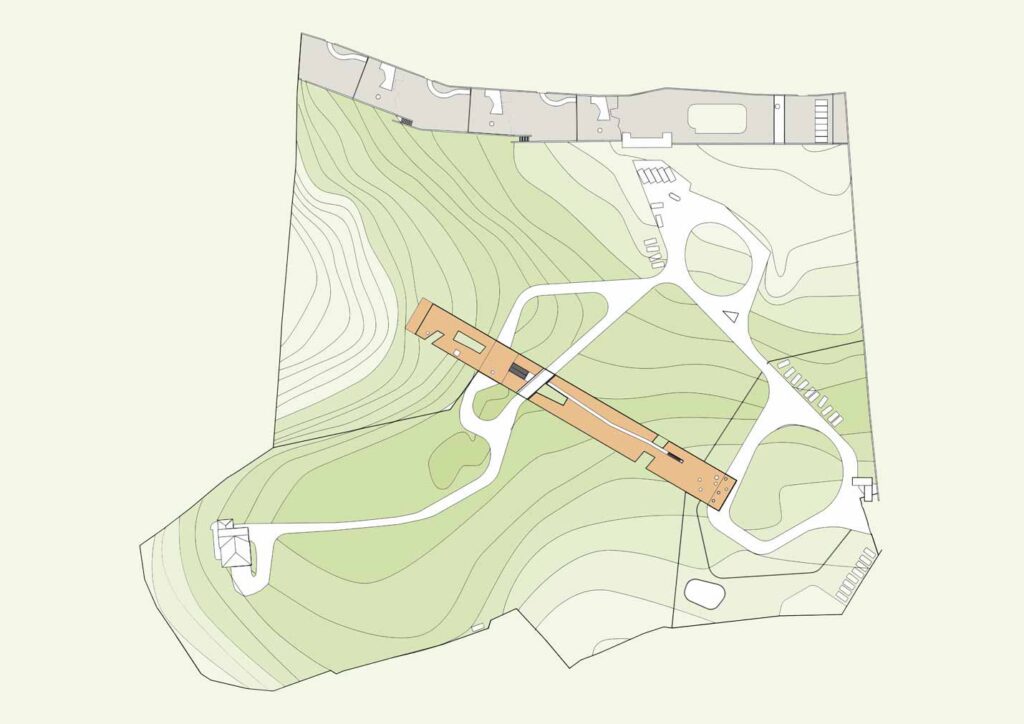
What lingers after moving through the embassy is not only its appearance but its atmosphere. There is a quiet dialogue between Dutch and Ethiopian ways of thinking: the water that runs along the roof and the rivers it recalls, the earthy color of concrete that ties it to the soil, the controlled light that enters like a spiritual gesture, the insistence on sustainability not as a slogan but as practice. Local materials anchor the design, and the grounds themselves are treated as part of the architecture.
One of the guiding principles of the project is biodiversity: foreign plantings are slowly being replaced by indigenous trees and shrubs, while the existing animal life is left to thrive. Birds, insects, and animals are not pushed out but accommodated, so that the embassy grounds remain alive with movement and sound. In this way, the compound is less a sealed diplomatic enclave and more a landscape shared with its surroundings.
To walk through this embassy is to feel how architecture can hold opposites together—private yet communal, raw yet refined, imperfect yet precise. It is a place where rain turns concrete into landscape, where floors carry the color of the soil, where gardens extend over rooftops, and where the spirit of Ethiopian architecture meets the Dutch way of shaping land and water. It does not try to hide its imperfections or its weight. Instead, it invites us to inhabit its spaces with the same patience it shows toward the land it sits on.
In the end, it is less a building than a long conversation—between nations, between cultures, and between the enduring presence of earth and the ever-changing flow of water. The notion that constructing such a building in Ethiopia would be challenging was dispelled by the realization that it could be sustainably made with local materials and workforce, reinforcing the connection between the embassy and its environment.