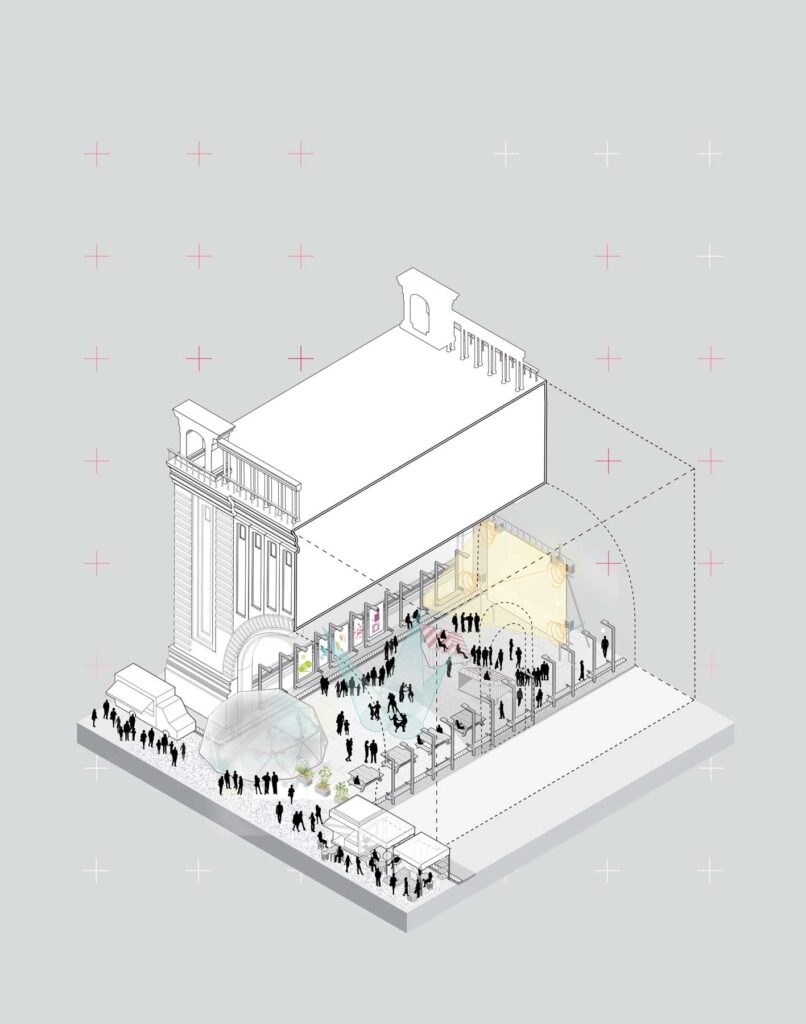
The Hidden Wealth of Cities offers a compelling argument that the most valuable assets in urban areas are not always the ones most visible or quantifiable. Instead, it reveals that cities’ true wealth lies in their “public spaces” and how these are managed, designed, and integrated into daily life. Far from being just aesthetic add-ons, these spaces—parks, plazas, waterfronts, streetscapes—are central to urban resilience, economic vitality, and community well-being.
What makes this work particularly striking is its shift in focus from building new infrastructure to unlocking the potential of what already exists. This is not merely a cost-saving strategy; it’s a recognition that well-managed public spaces can generate social, environmental, and economic returns far exceeding the investments made in them. The book consistently reinforces that these spaces can transform cities from being merely functional into being places where people thrive.
One of the core reflections I drew from the book is how public space is a form of shared wealth. While private property benefits individuals, public spaces benefit everyone—regardless of income, age, or background. They are inherently democratic environments, where access is universal, and value is created collectively. In this way, public spaces are not just amenities but powerful equalizers in cities that often suffer from deep inequality.
The authors also explore the role of good governance and “placemaking”—not just in design terms, but in the ongoing stewardship of public spaces. They highlight that the vibrancy and safety of these places often depend less on grand architectural gestures and more on consistent, thoughtful management and community engagement. This calls for a mindset shift among city planners, moving from a “project delivery” approach to a “long-term care” approach.
I found the emphasis on adaptive reuse particularly compelling. Rather than seeing underused or neglected areas as liabilities, the book invites us to view them as opportunities to create new forms of value. This ties in with a broader sustainability ethos—working with what exists, minimizing waste, and preserving cultural and historical identity while meeting contemporary needs.
Equally important is the insight that the health of public spaces is tied to economic health. Businesses flourish in environments where people want to linger, walk, and connect. Attractive, accessible, and well-served public spaces draw not only locals but also tourism and investment, creating a reinforcing cycle of vitality.
The book also acknowledges the risks—privatization, exclusion, and over-commercialization can erode the shared nature of these spaces. This is where inclusive planning and transparent governance become crucial. The wealth of cities, it argues, must remain genuinely “public” to serve its intended purpose.
In essence, The Hidden Wealth of Cities challenges us to rethink urban wealth—not as something measured solely in GDP or real estate value, but in the quality, accessibility, and vibrancy of shared public life. It reframes parks, streets, and civic areas not as leftover spaces between buildings, but as central drivers of social connection, economic opportunity, and cultural expression.
The biggest takeaway for me is that cities don’t have to wait for massive capital projects to improve quality of life. By looking inward—at the overlooked, the neglected, and the underutilized—they can uncover “hidden wealth” already within reach. This is a hopeful message for cities worldwide, especially in times of fiscal constraint and rapid urban change.