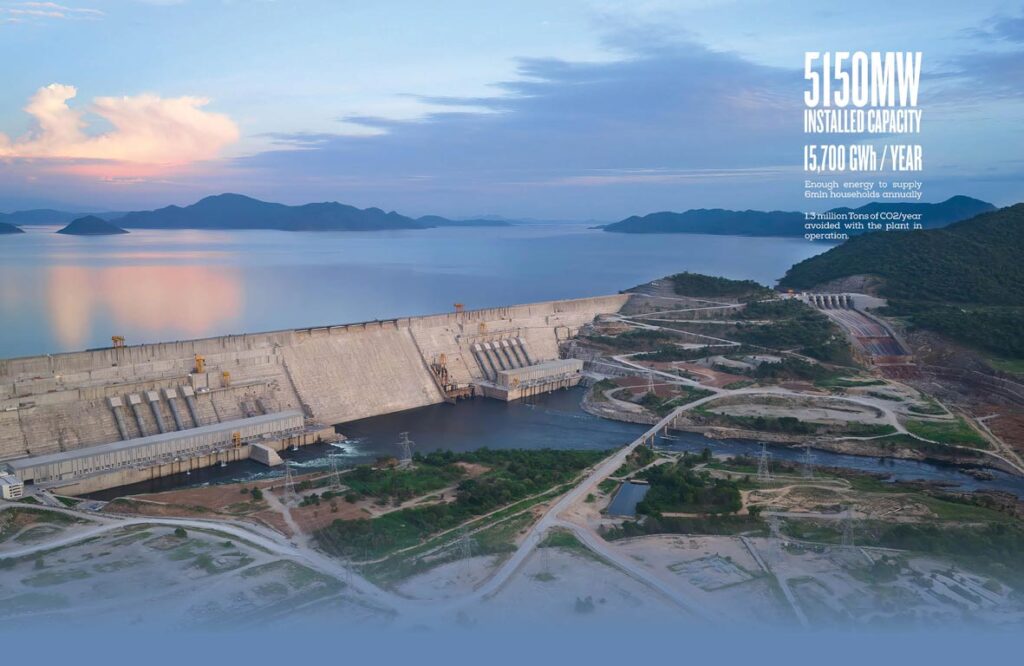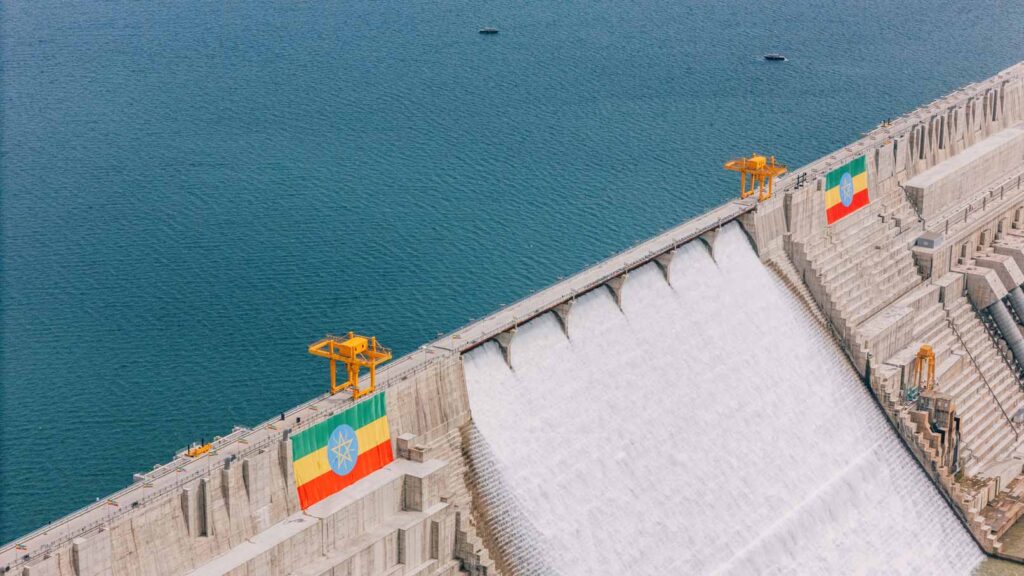
On the banks of the Blue Nile, the Grand Ethiopian Renaissance Dam rises not just as an impressive engineering feat but as a dream long carried in silence. For generations, Ethiopians lived beside rivers they could not fully utilize, watching power lines stop short of their villages while the Nile’s force flowed away to distant horizons. GERD was born in 2011 as a promise that this time the river would also carry a nation’s story forward.
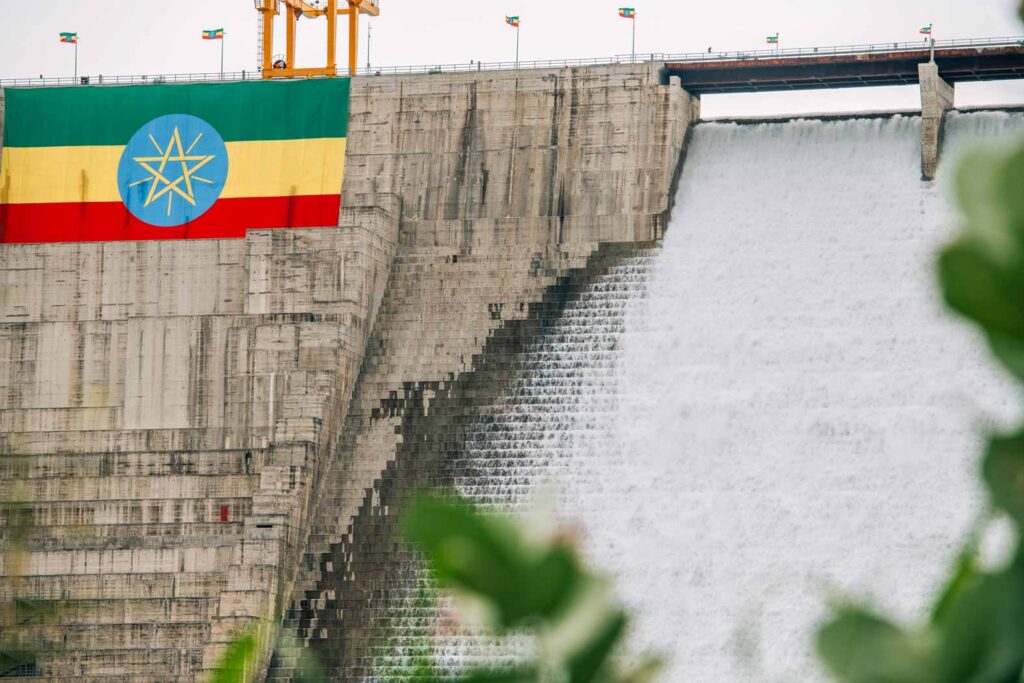
The dream was simple yet profound: light in homes that had known only kerosene lamps, and factories that could work through the night. For decades, Ethiopia’s rivers promised immense hydroelectric potential, but the promise remained untapped. Installed hydroelectric capacity lagged far behind the country’s needs, leaving millions in darkness. GERD became the vessel through which Ethiopians imagined turning water into luminance.
The financing of GERD was itself a national act of defiance and pride. Rather than leaning on foreign loans, the project drew strength from the Ethiopian community via bonds, contributions, and donations. The act of giving was itself symbolic. It meant that every household, whether in city centers or in rural areas, could claim a piece of the dam. GERD was not imposed from above; it was carried by ordinary people who believed that their sacrifices would light the nation. Scenes of fundraising meetings became part of the national memory. In schools, students pooled coins. In villages, elders urged neighbors to contribute. In diaspora communities, Ethiopians gathered to pledge support. Each act of giving was a thread in the larger fabric of nation-building.
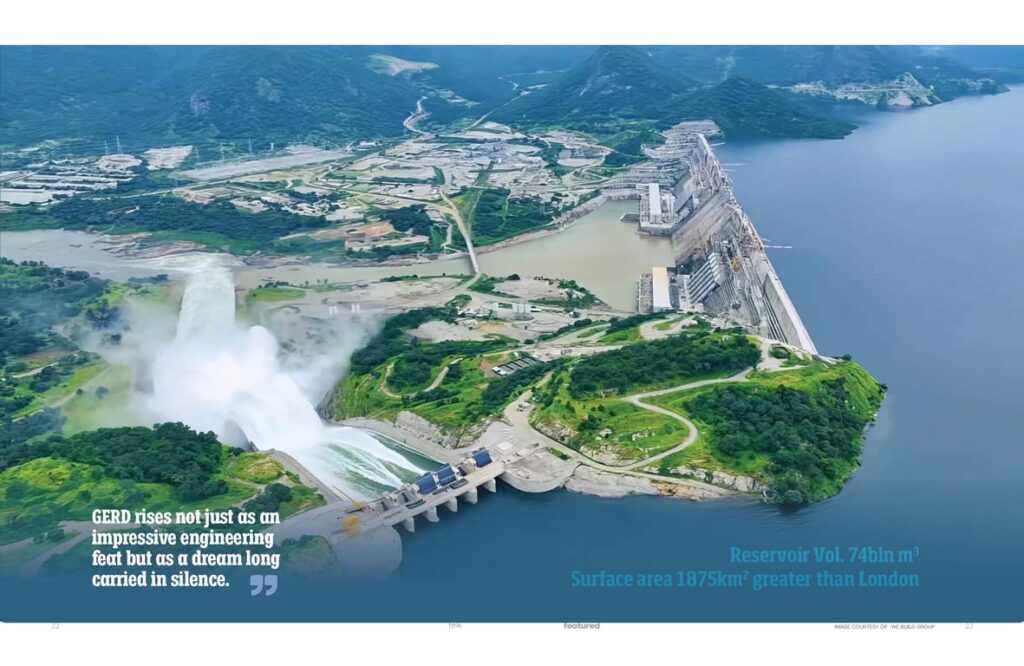
At its peak, the site employed around 25,000 workers, most of whom were Ethiopian. They lived in camps that grew into semi-permanent settlements, with roads, bridges, and housing carved into the landscape. Days began before sunrise, with dust rising from the valley and the sound of machinery echoing across the river. Workers endured heat, isolation, and the weight of expectation. Yet there was pride in the hardship, a sense that they were building not just a dam but a chapter in Ethiopia’s history. River management systems—diversion channels, spillways, regulated outflows—were not just technical features. They were acts of balance, ensuring that Ethiopia’s ambitions did not choke the downstream lifelines of Sudan and Egypt.
GERD crowns the long trajectory of hydropower and water infrastructure in Ethiopia. It weaves together engineering, sacrifice, and social change into one narrative of reshaping Ethiopia’s position in East Africa. GERD became proof that Ethiopians could design their future. The dam linked past struggles for sovereignty with present ambitions for development. It was not only about electricity; it was about identity. GERD emphasized unity across difference by offering a moment of collective pride. It was a project that reminded Ethiopians that they were capable of building together.
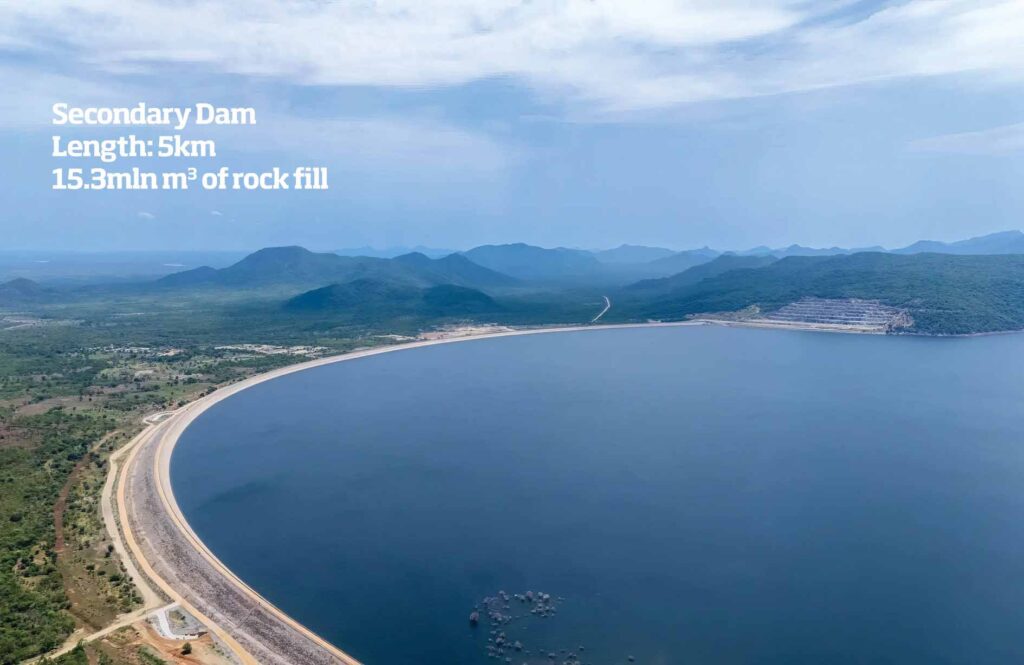
The socio-economic impacts were equally profound. Training programs advanced local skills, turning workers into engineers, technicians, and managers. The site itself became a nucleus of development, with housing camps, internal roads, and bridges across the Blue Nile. GERD was not only a dam; it was a settlement, a workplace, a school, a symbol.
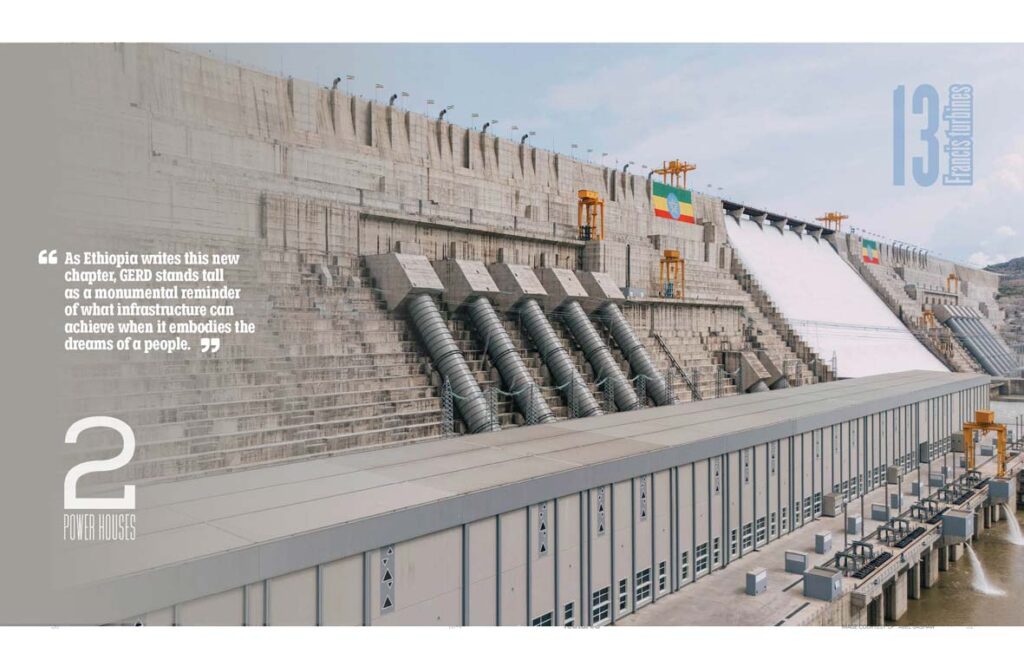
GERD is beyond a dam. It is a national achievement and a regional catalyst. It embodies the aspirations of a nation that refused to remain in darkness, that chose to finance its own future, that carried the weight of construction under pressure, and that now stands ready to share its energy with neighbors. As Ethiopia writes this new chapter, GERD stands tall as a monumental reminder of what infrastructure can achieve when it embodies the dreams of a people.