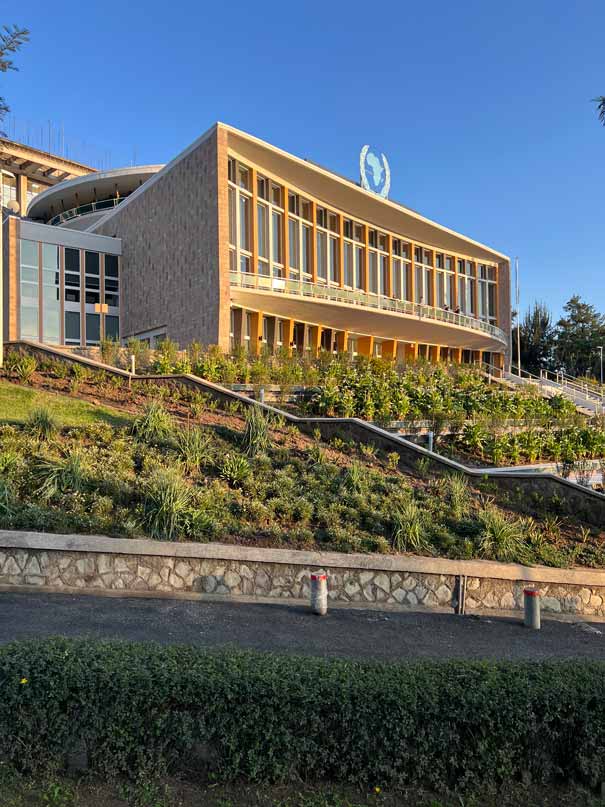
Africa Hall, constructed in 1961, is an iconic structure that symbolizes the vision of African unity and independence. Originally designed by Italian architect Arturo Mezzedimi, the building has hosted pivotal conferences and is notably the birthplace of the African Union.
Background and Historical Context
To understand the significance of Africa Hall, it’s important to look back to the time when the United Nations chose to establish the Economic Commission for Africa (ECA) in Addis Ababa. In 1958, Ethiopia hosted the commission’s first meeting. However, there was no suitable venue to accommodate such a gathering, and the Ethiopian government decided to hold it in the Ethiopian Parliament. The need for a dedicated international conference venue was clear, especially with the growth of the African Union and the wave of African countries gaining independence at the time.
After intensive diplomatic negotiations, it was decided that the Economic Commission for Africa (ECA) would be headquartered in Addis Ababa, marking Ethiopia as a key diplomatic center. Emperor Haile Selassie I upon learning this news, consulted the then Ministry of Works and Urban Development Leul Ras Mengesha Seyum to initiate construction. Africa Hall was the first modern building in Addis Ababa, kickstarting a new era of modernism that traversed beyond architecture into music, literature, and performing arts.

Choosing the Site and Architect
The Ethiopian government selected a strategic site along Menelik Avenue, aligning it with other significant landmarks like the Hilton Hotel, Ministry of Foreign Affairs, and the National Palace. Arturo Mezzanini, an Italian architect who had built a significant part of his career in Ethiopian and Eritrea, was chosen to lead the design. Mezzedimi was a visionary architect with a strong understanding of modernist principles and Ethiopian cultural elements, which resonated with the emperor’s ambition to modernize Addis Ababa. Although largely self-taught, Mezzedimi had gained deep architectural insights by studying international trends and taking courses in Geneva.
Design and Construction

The initial design concept by Mezzedimi placed the auditorium at the north, aligned on the east-west axis. Ethiopia’s first landscape architect, Getachew Mehatemeselassie, suggested positioning the auditorium in front with the main administrative building behind it, a design that was eventually adopted.
Mezzedimi infused modernist principles while respecting Ethiopian culture. He employed a concept of “continuous space” allowing delegates to move seamlessly between the lobby, lounge, and auditorium, a feature enhancing functionality and comfort. Ethiopian and African motifs, like the circular horn patterns, were subtly incorporated, creating a distinct blend of traditional influences and modern architecture.
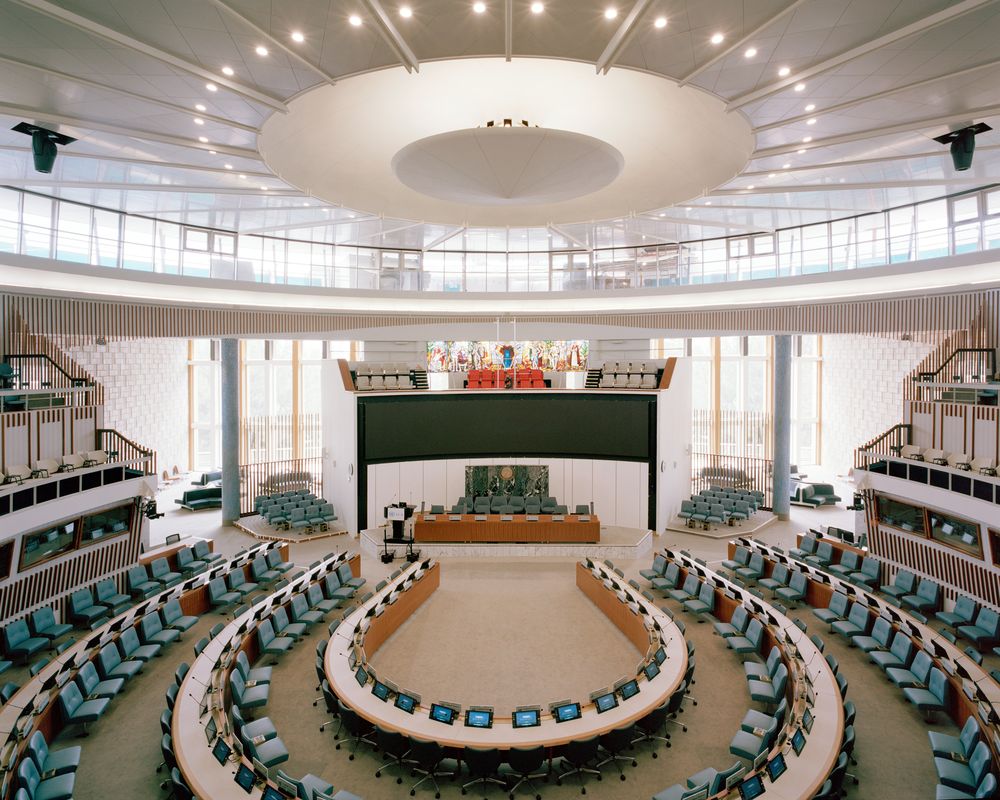
The auditorium’s ceiling was carefully engineered for optimal acoustics, while natural light filters in from above, creating a warm atmosphere without direct glare. These architectural choices gave the roof a hovering effect, lending the building a unique aesthetic quality. The hall’s structural design, particularly the extensive truss work, required advanced engineering techniques, which were groundbreaking for the era. The architectural achievement here was not just about beauty; it involved creating a functional, sustainable venue suitable for international gatherings.
The grand entrance from the main street, with cascading waterfalls, conveys a sense of majesty. VIPs enter through an alternate route, passing through a lobby adorned with stained glass art by Honorable World Laureate Maitre Artist Afewerk Tekle, enhancing the building’s artistic and cultural value.
Mezzedimi was also deeply involved in every detail, from structural elements to the interior design. The furniture and décor reflect his vision of a cohesive, modern space. This commitment to detail resulted in a complete work of architecture that stands as a testament to Ethiopia’s modernist aspirations.
The project, originally estimated to take three years, was expedited by the emperor’s directive to be completed in just 18 months. This meant implementing a 24-hour work schedule with three shifts, a demanding effort that included visits by the emperor himself to monitor progress. Securing funding was also a major hurdle. Despite limited financial resources, construction continued under the leadership of local builders and engineers. Luigi Varnero, a builder of Italian heritage, won the contract, and a concerted effort ensued to ensure that the project would reach completion. Many individuals contributed to the success of this project, including Ethiopian dignitaries and diplomats like Ketema Yifru, Dejazmach Mengesha Seyum, and their teams. Each brought dedication and vision to realize this monumental project.
Revitalizing Africa Hall: A Monument to African Unity and Modernism
Tasked with its revitalization, Architectus Conrad Gargett led by Principal David Gole and Project Architect Simon Boundy, in collaboration with a dedicated team of Australian and Ethiopian architects and consultants under the guidance of the ECA Africa Hall project management team, embraced the challenge of preserving the Hall’s historical and cultural significance while introducing necessary modern adaptations.
The team approached the project with a deep respect for Africa Hall’s symbolism and its architectural essence, balancing restoration with innovation to ensure the Hall’s relevance for future generations.
A Monumental Symbol of Unity
Africa Hall’s design encapsulates its purpose: unity among African nations. The circular Plenary Hall, crowned with a dome, is an architectural metaphor for equality. The Hall has served as a stage for historic gatherings, cementing its status as a secular monument to African optimism and collaboration.
“This is not just a building,” Boundy noted. “It’s a gift from Haile Selassie to Ethiopia, Africa, and the world—a symbol of post-colonial hope and the spirit of unity.”
Preservation with Precision
Preservation formed the cornerstone of the renovation. Key architectural elements, including the circular Plenary Hall, clerestory windows, and the iconic mushroom-shaped light deflector within the dome, were meticulously restored. These features, essential to the Hall’s character, were carefully maintained to uphold the original design intent.
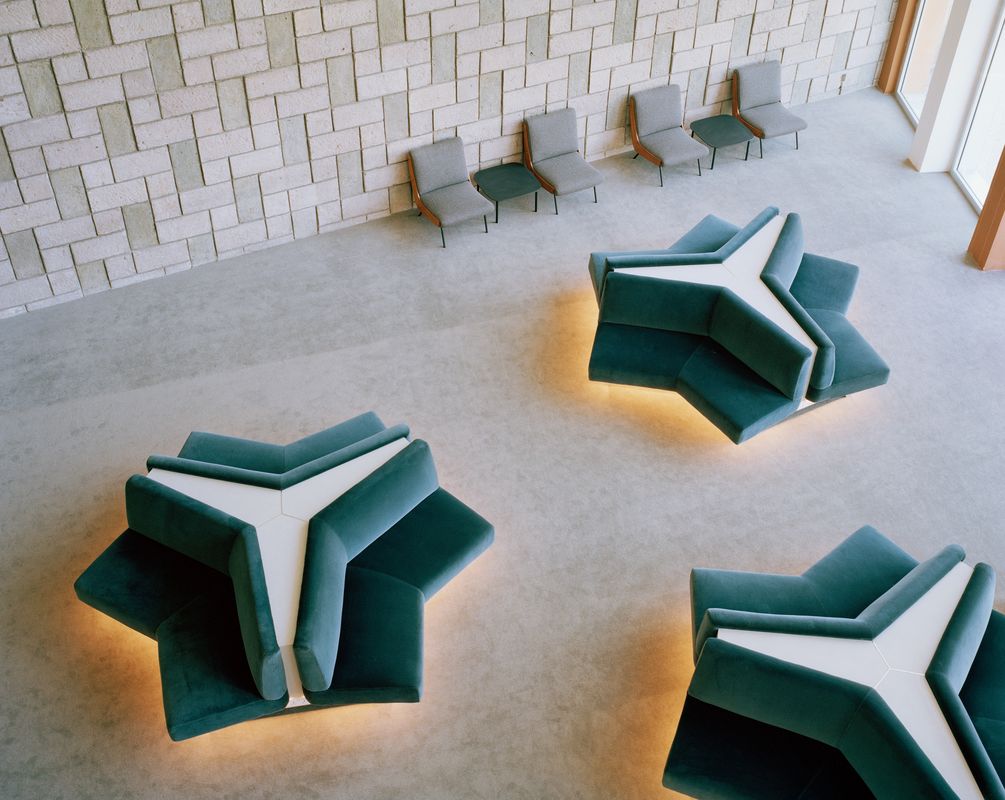
Boundy’s team also tackled the monumental task of restoring over 500 pieces of mid-century furniture. With access to original hand-drawn plans from Mezzedimi’s archives, they ensured the furniture’s authenticity. Any newly added pieces adhered to a modernist style that complemented the original, creating a seamless dialogue between the past and present.
“The logistics were immense,” Boundy reflected. “Restoring and transporting each piece while preserving its integrity was a challenge, but one that was crucial to maintaining the building’s authenticity.”
The Essence of African Modernism
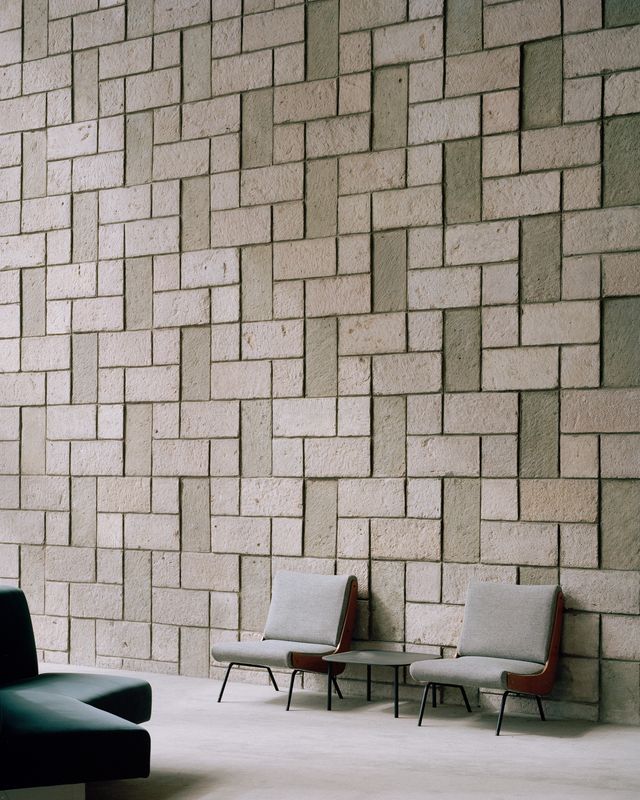
Africa Hall exemplifies African modernism, which marries global architectural principles with local cultural expression. Its vibrant mosaics—crafted from 13 million tiles—transform its exterior into a celebration of African identity. Inside, murals, stained glass, and artworks serve as cultural touchstones, weaving Africa’s story into the fabric of the building.
“There’s a layer of cultural narrative in African modernism that you don’t find elsewhere,” Boundy explained. “Here, the architecture becomes a tapestry of identity, where every detail—artwork, material, or design—has meaning.”
Collaboration with Local Expertise
The project’s success was deeply rooted in collaboration. Recognizing the value of Ethiopian knowledge, the team partnered with local architects, engineers, and artisans. From recruiting top graduates of Addis Ababa University to working with skilled craftspeople, they ensured that the renovation was informed by local expertise and resources.
“This wasn’t about imposing external ideas,” Boundy emphasized. “It was about growing the project from the community, ensuring authenticity and sustainability.”
A Living Artwork
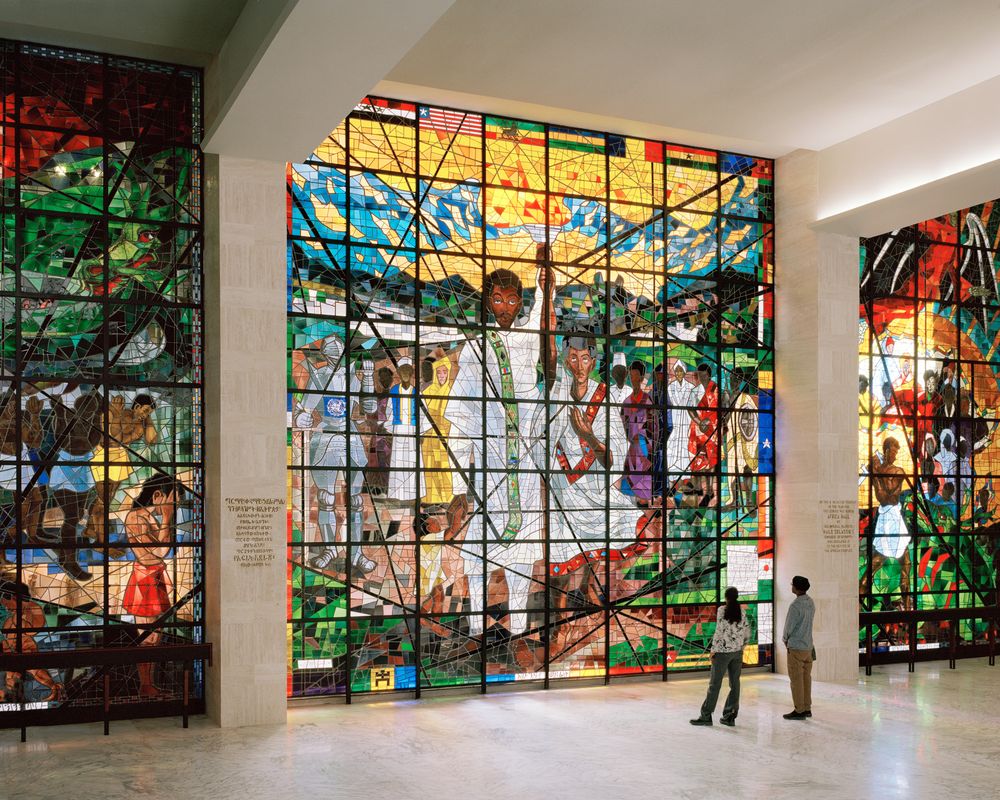
Africa Hall has been described as a “Gesamtkunstwerk,” or total artwork—a space where every element contributes to a unified, immersive experience. Its renowned stained-glass wall, The Total Liberation of Africa, is a centerpiece, symbolizing the continent’s journey from colonialism to independence. Floral motifs and murals of African leaders further enhance the building’s narrative, offering visitors a journey through Africa’s history and aspirations.
“It’s like walking through an evolving gallery,” Boundy said. “Every corner of the building tells a story, connecting past achievements to future aspirations.”
A Legacy for the Future
The renovation of Africa Hall ensures that this architectural masterpiece continues to inspire. By preserving its historic elements and blending them with modern functionality, Architectus Conrad Gargett has safeguarded its legacy as a cultural and historical landmark. The thoughtful restoration not only celebrates Africa Hall’s past but also positions it as a symbol of unity and modernism for generations to come.
Boundy summarized the project’s essence: “Africa Hall isn’t just a building. It’s a living testament to African resilience, creativity, and collaboration—a space where history and modernity converge.”