When I first heard that Nairobi would host the first Pan-African Architecture Biennale in 2026, I felt mixed emotions. As an African architect, I am proud to see the continent finally creating a space for our voices, traditions, and innovations in architecture. I admire the goal of curator Omar Degan and the bold theme, “Shifting the Center: From Fragility to Resilience,” which positions Africa as a creator and leader in design rather than a passive recipient of global trends.
Yet, as an Ethiopian architect, I couldn’t shake off a sense of disappointment. Ethiopia’s long architectural heritage gives it a unique place in Africa’s built environment history. Hosting the first Pan-African Biennale here would have honored that legacy while reminding the world that African architecture’s story didn’t start with colonialism or rely on Western validation.
A Deep and Ancient Legacy
Ethiopia is home to some of the oldest and most remarkable architectural achievements in the world. The rock-hewn churches of Lalibela, carved from living stone in the 12th century, the stelae of Axum, which have stood for over a thousand years, and the medieval castles of Gondar all showcase an African imperial city’s unique evolution. These sites are not merely ruins; they represent living heritage, still woven into the daily lives of communities.
Architecture here has always meant more than providing shelter or symbol. It is spiritual, functional, and profoundly connected to the land. Our practices of earth construction, use of sustainable materials, and designs that respond to climate are vital lessons for the world today.
Addis Ababa: Africa’s Diplomatic Capital
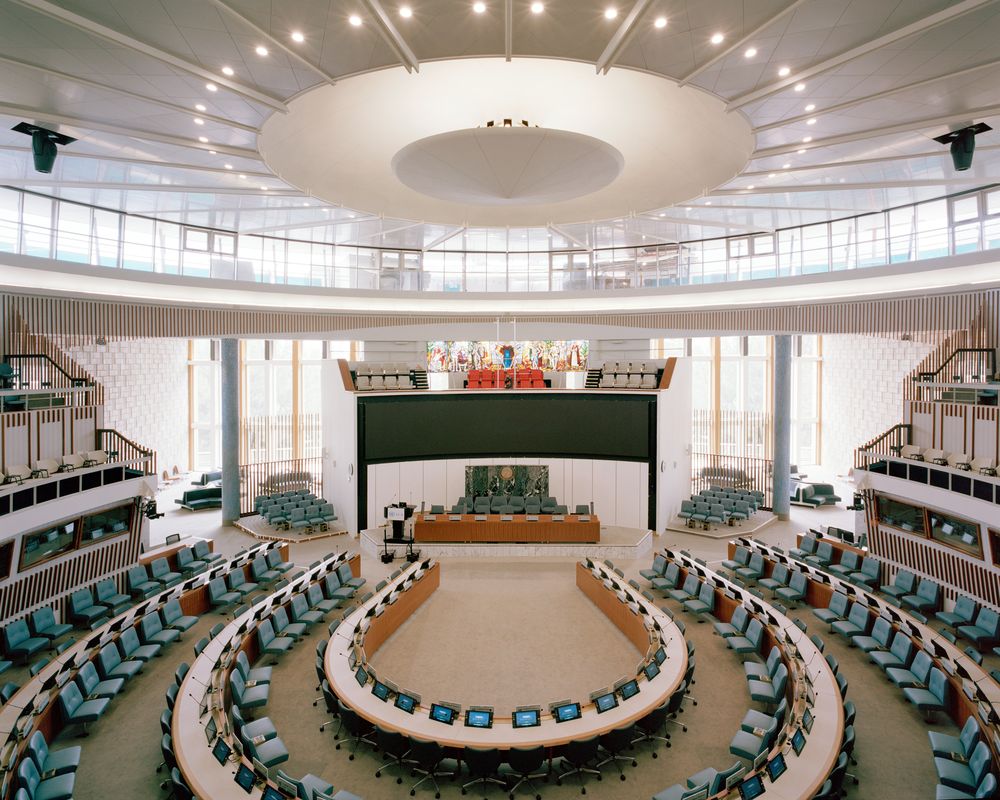
Beyond its history, Addis Ababa serves as the political heart of the continent. It houses the African Union and the UNECA Africa Hall, a landmark of Pan-African modernism that recently underwent a remarkable restoration. Ethiopia’s diplomatic legacy is tied to the broader story of African unity. Hosting the first Biennale here would have rooted the event in the symbolic center of the continent’s political and cultural solidarity.
A Platform to Lead by Example
In recent years, Ethiopia’s built environment has changed significantly. A notable modern example is the Grand Ethiopian Renaissance Dam (G.E.R.D.). This massive structure is about more than just electricity; it represents a bold statement of African ambition. Despite years of geopolitical challenges and objections from former colonial powers and their allies, Ethiopia has pushed forward with a project that prioritizes Africa’s needs over external pressures. The G.E.R.D. is more than infrastructure; it symbolizes sovereignty, resilience, and the right of African nations to determine their own future.
Projects like the Adwa Victory Memorial Museum, Ethiopian Science Museum, Halala Kella Lodge, Zoma Contemporary Art Center, Gorgora Eco Resort, Wonchi Lake Resort, and ET-302 Memorial demonstrate how design can honor heritage while embracing modern sustainability. This balance between past wisdom and present needs aligns with the goals of the Biennale.
The Road Ahead
I don’t resent Nairobi for its moment. Kenya also has a rich architectural heritage and a lively contemporary scene. However, I hope that when planning for the next Biennale begins, Ethiopia’s case will be clear. We’re a nation with 3,000 years of continuous architectural history, standing uncolonized and shaping our urban and architectural destiny. Ethiopia is where African diplomacy, culture, and identity converge.
Ethiopia should not just participate in the Pan-African Architecture Biennale; it should one day host it. Until that time comes, we will continue building and envisioning structures that narrate our story. When the opportunity arises again, we will be prepared to welcome Africa’s architects home.