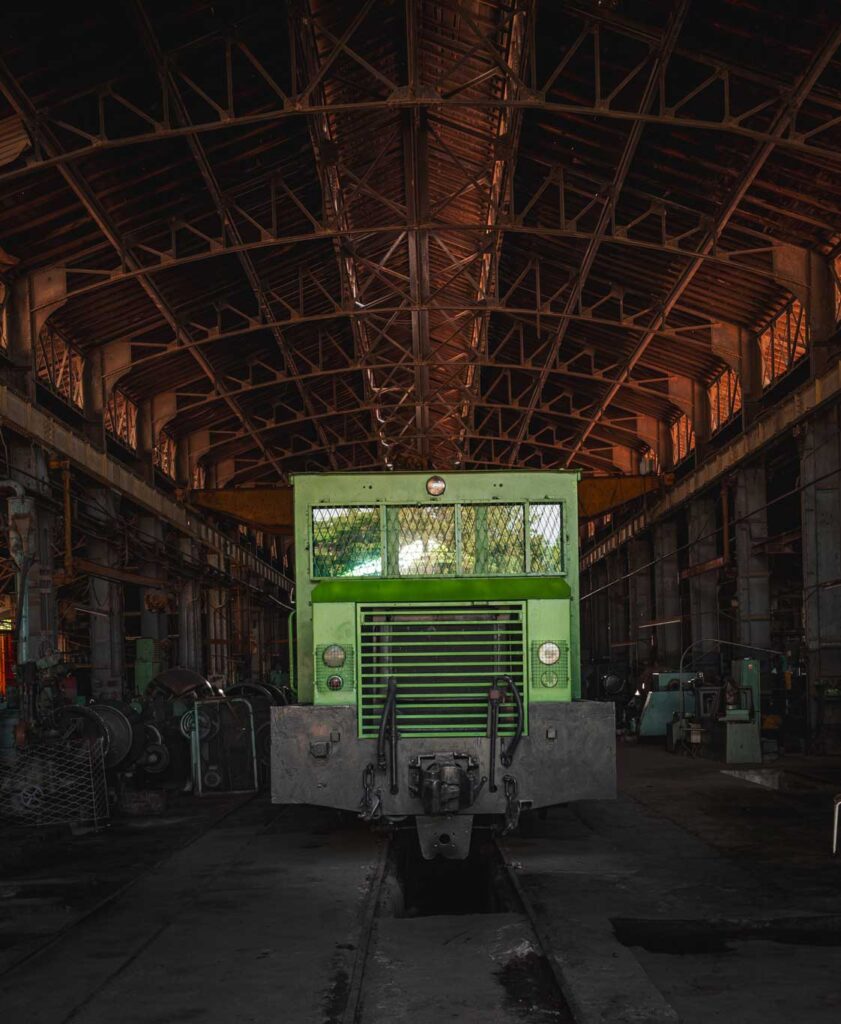
Curating the ‘Along the Railway’ exhibition has been one of the most fulfilling experiences of my career as an architectural heritage conservation professional. This project took me on an immersive digital journey along the historic Ethio-Djibouti railway stations, stretching from the heart of Addis Ababa all the way to Dire Dawa. What began as a passion to preserve Ethiopia’s architectural heritage soon became an exciting exploration combining history, technology, and culture.
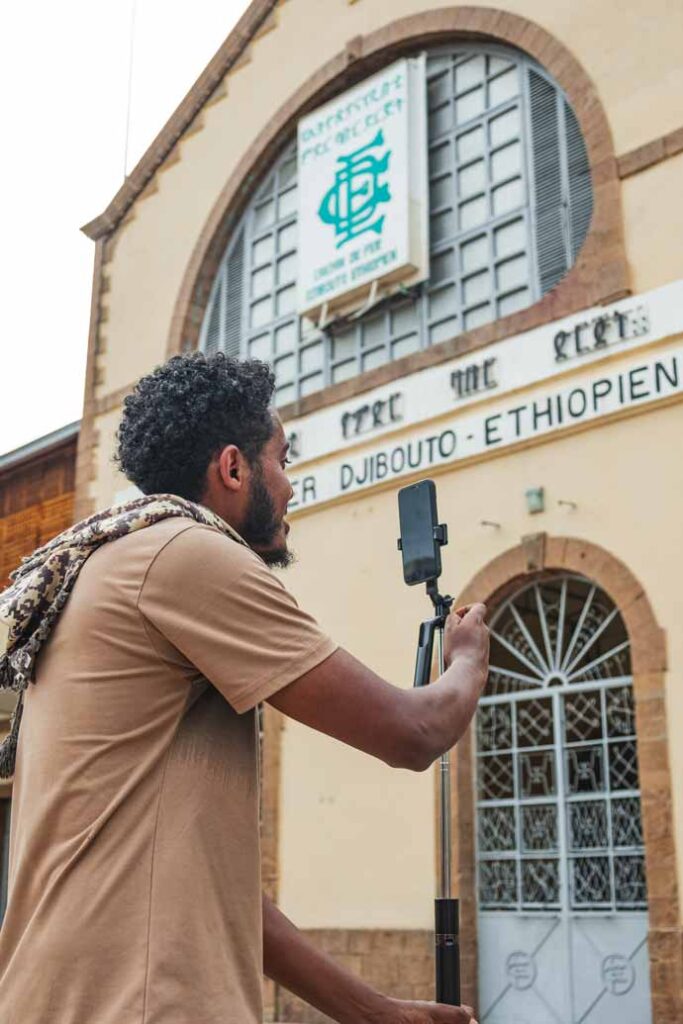
My journey started about a year ago during an exchange program at the School for International Training (SIT) in Japan. I was fascinated not only by the numerous options and techniques of digital documentation, but also by the incredible potential it had in a country such as ours, where historic architectural marvels are fast disappearing. There, I learned to use photogrammetry, precise manual measurements, and 360-degree virtual scanning tools, then later became essential in capturing the unique architecture of these railway stations.
Partnering with architect and photographer Dagmawi Mekonnen, we travelled along the route of the railways, documenting each station through photographs, scanning, and building detailed virtual models. The fate of many of these stations today is uncertain; some of which have sadly been lost, others were either abandoned or poorly repurposed. Therefore, our project was not simply about documentation, but essentially turned into a race against time; aiming to preserve or at least serve as a capsule that captured the stories, beauty and influence of the last standing structures of this incredible feat of architecture, for generations to come.
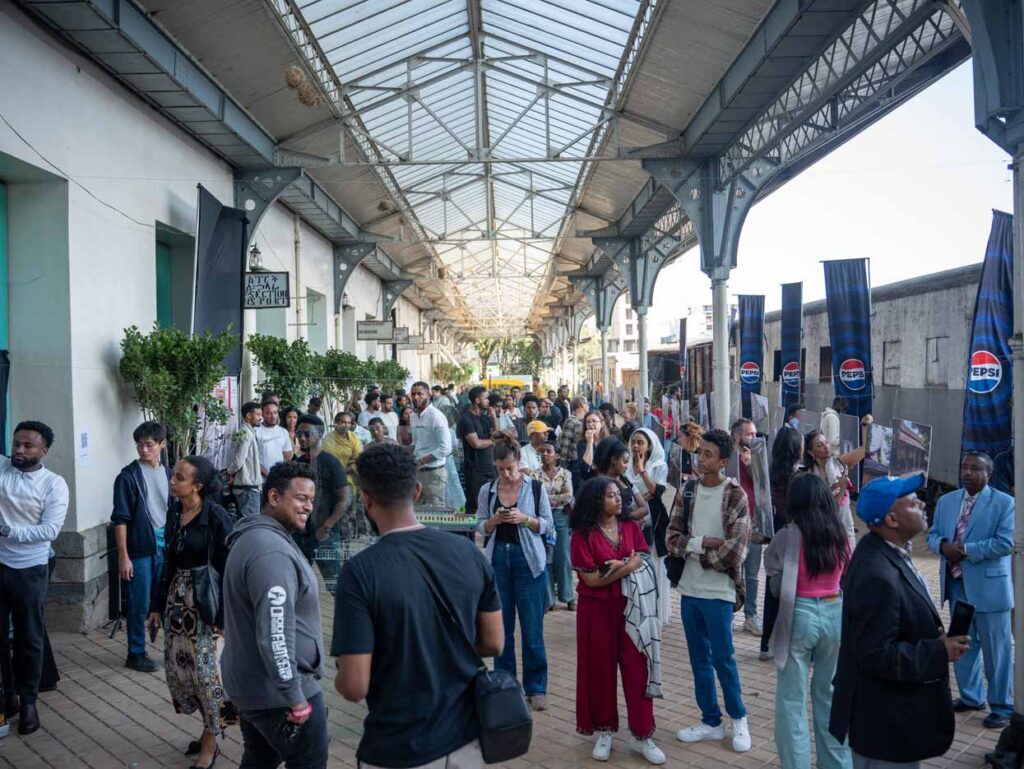
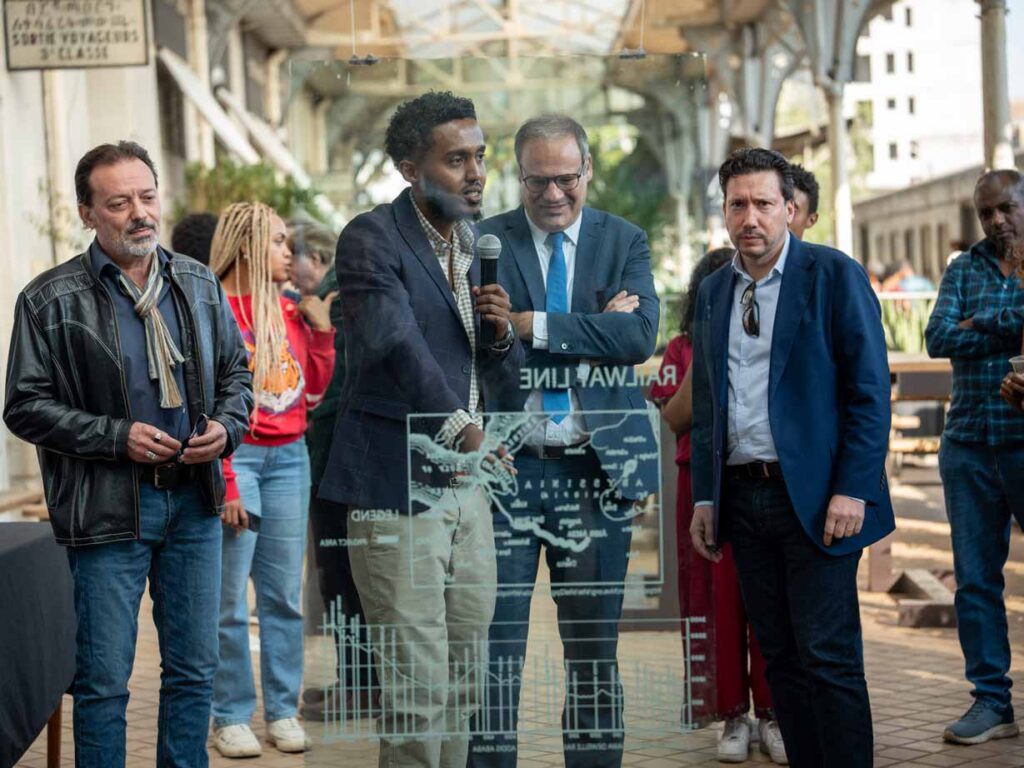
Held in the forgotten waiting area of the Leghar train station, the exhibition offered visitors more than just static displays. VR headsets brought the stations back to life, allowing an immersive 360-degree experience of each unique space. Holograms projected three-dimensional scans, while collage art and archival photographs told stories of social change and cultural intersections shaped by the railway.
One of the most fascinating aspects was the inclusion of a fashion show. Dressed in clothing that reflected the various status and livelihood of the time, it tried to recreate the lively atmosphere of a past era where waiting areas were treated as a serious as well as vibrant social spaces. Transporting the audience back in time, reminding visitors that these were not just buildings, but places with living memory.
The significance of the Ethio-Djibouti railway in Ethiopia’s history extends far beyond its bricks and mortar. Built between 1897 and 1917, the railway had a transformative force. It connected Ethiopians like never before and to the wider world at large. Serving as a catalyst for modernization, it opened pathways for trade, cultural exchange, and urban development. The railway’s stations, in ruins now, are some of the most prominent built heritage in the country.
This railway shaped the very socioeconomic fabric of Ethiopia. Travel that once took weeks if not months by foot was reduced dramatically, cities along the route flourished, and new architectural styles blended local tradition with global influences. Preserving these stations means preserving Ethiopia’s journey through independence, growth, and integration on the world stage.
Our exhibition serves as a bridge between past and present. By utilizing cutting-edge technology, we not only conserve the physical heritage but also engage new audiences, architects, historians, conservationists, and the public in meaningful dialogue. This multidimensional approach safeguards that Ethiopia’s rich industrial heritage is appreciated, studied, and inspires contemporary architectural and conservation practices.
Financed kindly by the French Embassy, the exhibition brought together a diverse group of visitors, including historians, diplomats, heritage professionals, and heritage enthusiasts who all emphasized the urgent need to protect these architectural legacies before further deterioration.
Looking towards the future, this project lights a path for the digital preservation of endangered heritage sites throughout Ethiopia and beyond. The story of the Ethio-Djibouti railway, told through both innovation and collaboration, remains a cornerstone of Ethiopia’s architectural, urban, and cultural history, one that continues to inspire and educate.