Italian Smart Living was conceived as a bridge—a curated dialogue between the world of Italian interior design and leading African stakeholders. Spearheaded by the Italian Trade Agency (ITA), this event sought not only to showcase the aesthetic excellence of “Made in Italy,” but also to spark partnerships, dialogue, and a deeper understanding across cultural and commercial lines.

The ITA, Italy’s governmental agency for trade and internationalization, supports the business development of Italian firms abroad and promotes foreign investment in Italy. Through its network and resources, the ITA organizes events, facilitates promotion, offers training, and engages in matchmaking to connect Italian companies with overseas markets. At the Italian Smart Living event, this mission unfolded in real time. Antonio Franceschini, head of the International Market and Trade Promotion Office of CNA, the National Confederation of Small and Medium Enterprises in Italy’s handicraft sector, described the event as an important tool for better understanding the situation in Africa and learning how CNA can support Italian companies while creating connections.
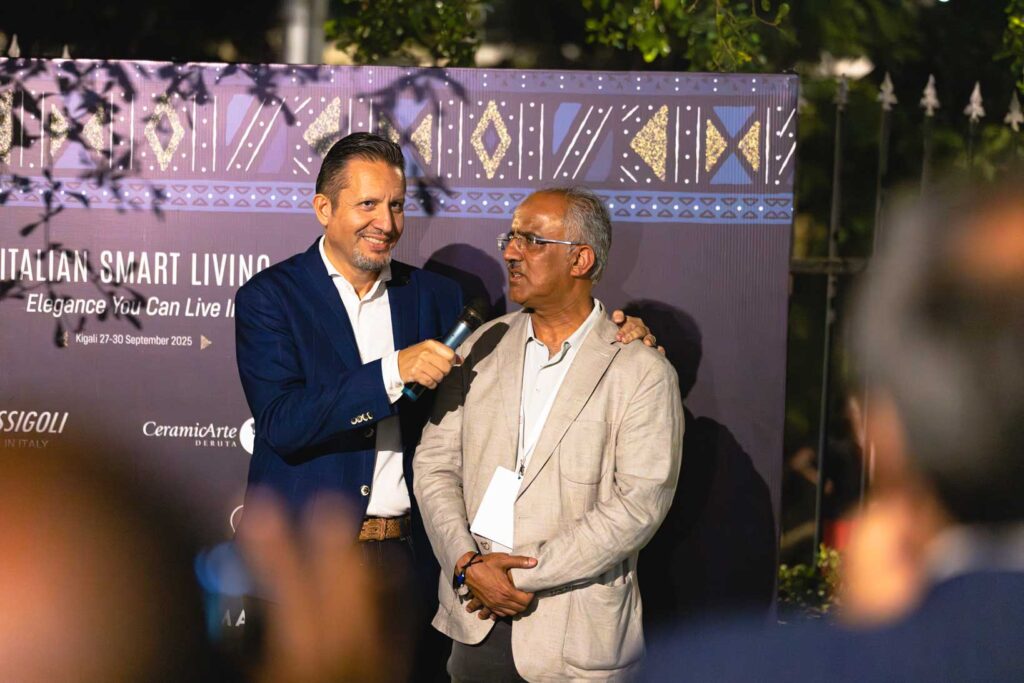
I had the privilege of speaking with Claudio Pasqualucci, the Italian Trade Commissioner based in Addis Ababa, who clearly articulated the purpose: “to create a concept where affordable Italian products can work with local partners in a win-win approach.” In short, Italian Smart Living aimed to demonstrate that Italian design is not merely luxury or ornamentation but a convergence of innovation, sustainability, quality, and cultural resonance. It was about planting seeds—seeds of trust, collaboration, and a shared vision.
Welcome Dinner
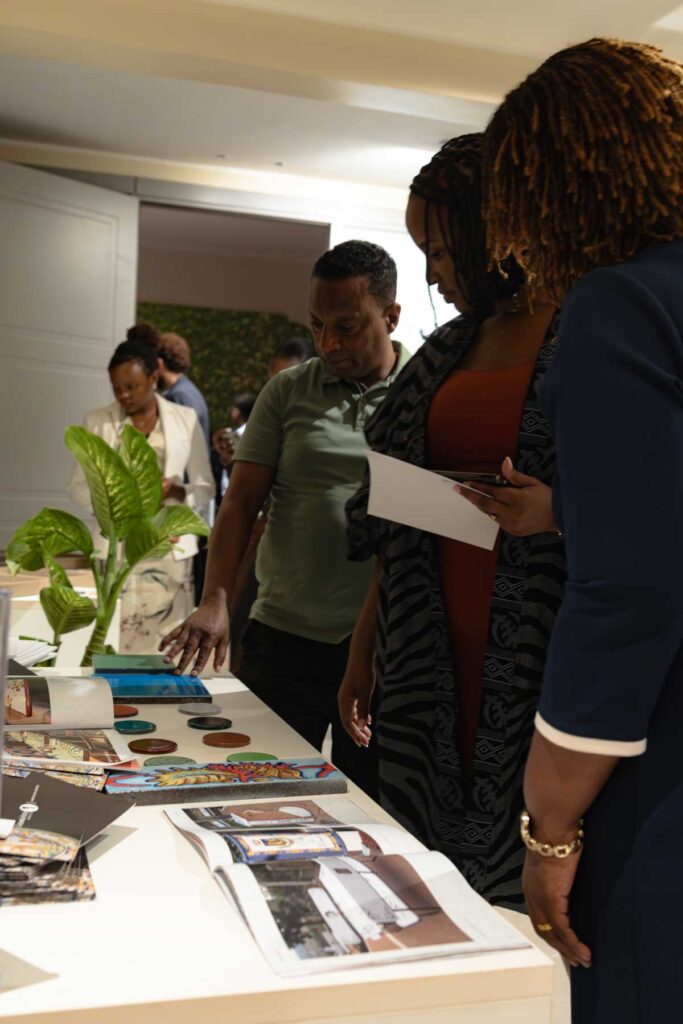
Stepping into the showroom of RM Casa Italia that first evening, I was immediately struck by how immersive it felt. The space was divided into multiple “booths”, each curated by a different Italian company. Some showcased kitchens, others living rooms, lighting, textiles, or bathroom solutions. Walking through them felt like browsing a mini Italian home.
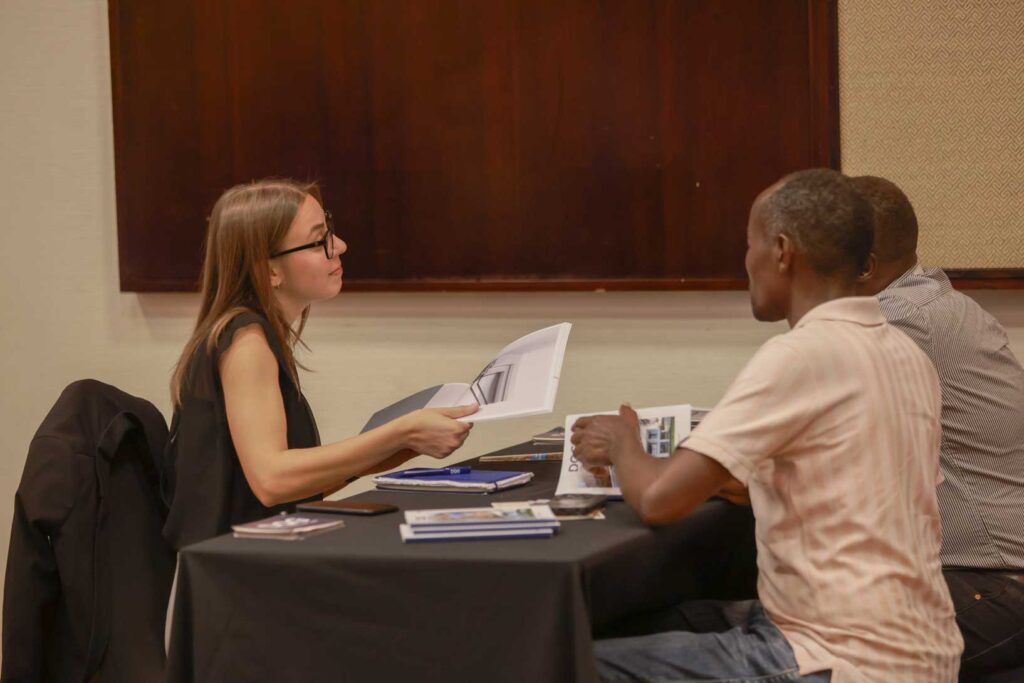
Representatives from each firm stood ready, engaging guests with passion and patience, explaining materials, functionality, and design philosophy. Multiple catalogues were opened showing the variety of products each company presents. A lively discussion was present throughout the entire house ranging from furniture to leather products and many more.
Speeches were delivered by the founders of RM Casa Italia, Rashid Yusif and Marco Moscardi, about their company. They expressed their understanding of regional markets and dedication to Italian design excellence which form the backbone of the company’s strategy. They aim to promote Italian excellence and luxury design solutions while fostering local cooperation.
As the night deepened, conversation drifted beyond design. We sampled Rwandan flavors and mingled with new contacts—architects, businessmen, and company representatives. The evening ended not with formality but with laughter and connection: the beginning of a network, perhaps even of friendships.
Seminar & B2B Program
Monday morning marked a turning point. After coffee meetings and a brief welcome, the event officially commenced with speeches from Mr. Claudio Pasqualucci, Director of ITA Addis Ababa, and Mr. Giovanni Devita, Italian Honorary Consul in Rwanda. Mr. Claudio introduced the event as an opportunity “scout opportunity and present it to local friends.” He emphasized that Italy is the “extraordinary common place” where “the most innovative, adequate products with a collaborative mindset” are found. Mr. Giovanni also reiterated that while Italian products may not be the cheapest, they are the best. Their tone was aspirational: design that meets Africa’s needs, rather than imposing a foreign style; a collaborative future, not a one-way export.
Next came a series of thematic and institutional presentations. Representatives from Italian design associations, trade bodies, and local institutions shared case studies, policy insights, and success stories. “This event is deeper than selling,” said one speaker, reinforcing the vision for collaboration and partnership. Another mentioned that the event serves to promote “affordable luxury.” Mr. Claudio added, “We have Maserati as well as Lancia—second-tier, affordable high-quality luxurious products.” One speaker highlighted how high-quality, durable materials may cost more upfront but deliver significantly more in longevity and total value—a point that resonated strongly with attendees.
Then, Italian companies took the stage. Each presented a pitch deck that crisply showed who they are, what they offer and what they seek in this market. One speaker expressed their intention by stating, “We want to promote our lifestyle and create fusion with local culture.” The room buzzed as stakeholders posed questions about maintenance in tropical climates, shipping costs, local sourcing, and after-sales support. The Q&A was lively—a moment when theory and reality met. The cost of Italian products was identified as a major challenge by African stakeholders. Italian representatives showed their willingness to negotiate and cooperate to ensure that the “affordable luxury of Italy” becomes commonplace in Africa.
At the close, Claudio returned for wrap-up remarks. He thanked all participants, encouraged continued dialogue, and expressed hope that this would mark a first chapter, not a one-off event. He stated, “It [Italian product] might look expensive, but it’s affordable. Don’t be misled by appearances; talk to the company,” reassuring the African stakeholders.
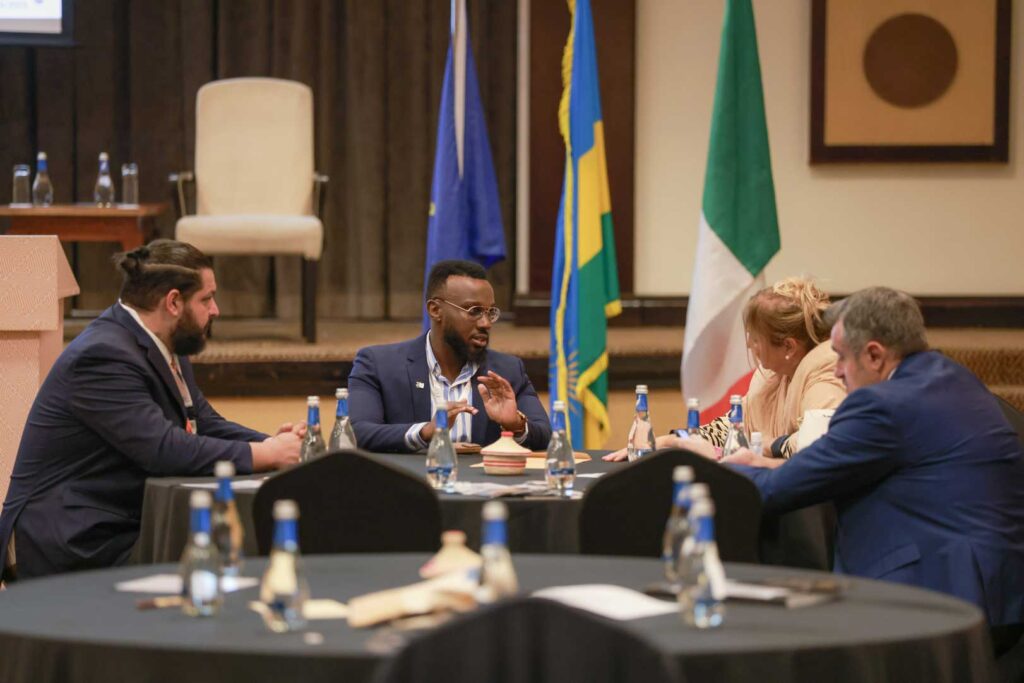
The formal session broke for a networking lunch. Afterwards, in the adjacent B2B area, Italian producers set up booths while African clients, developers, architects, and buyers circulated. Manufacturers described their products and interests while addressing questions from diverse stakeholders. Others discussed logistics, opportunities, and local partnerships. Participants shared expectations, challenges, and aspirations.
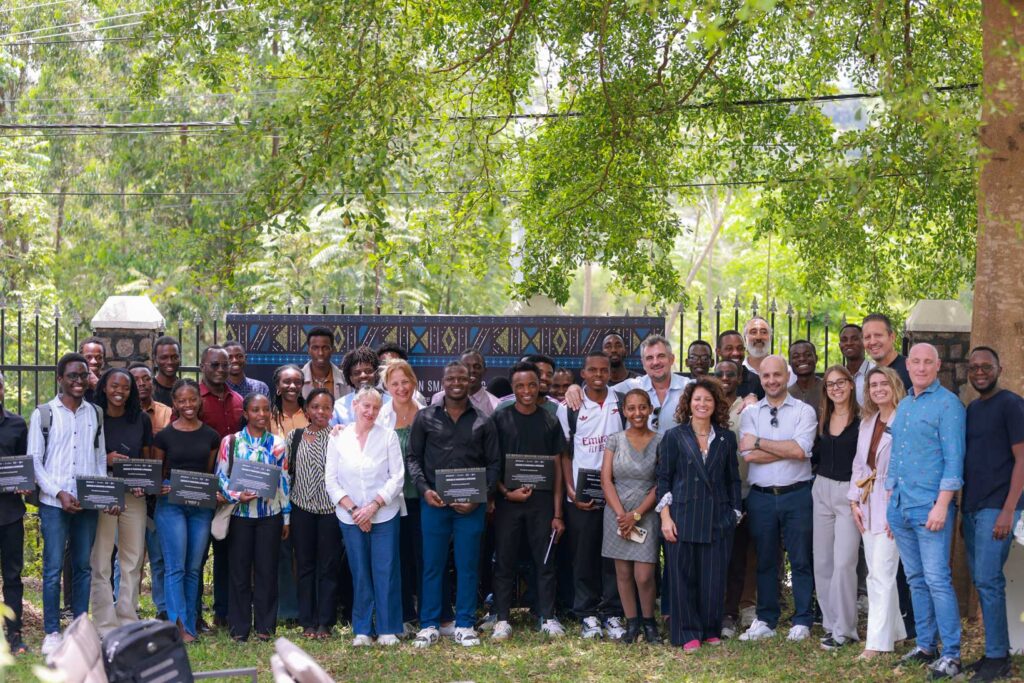
Round Table with Rwandan Students
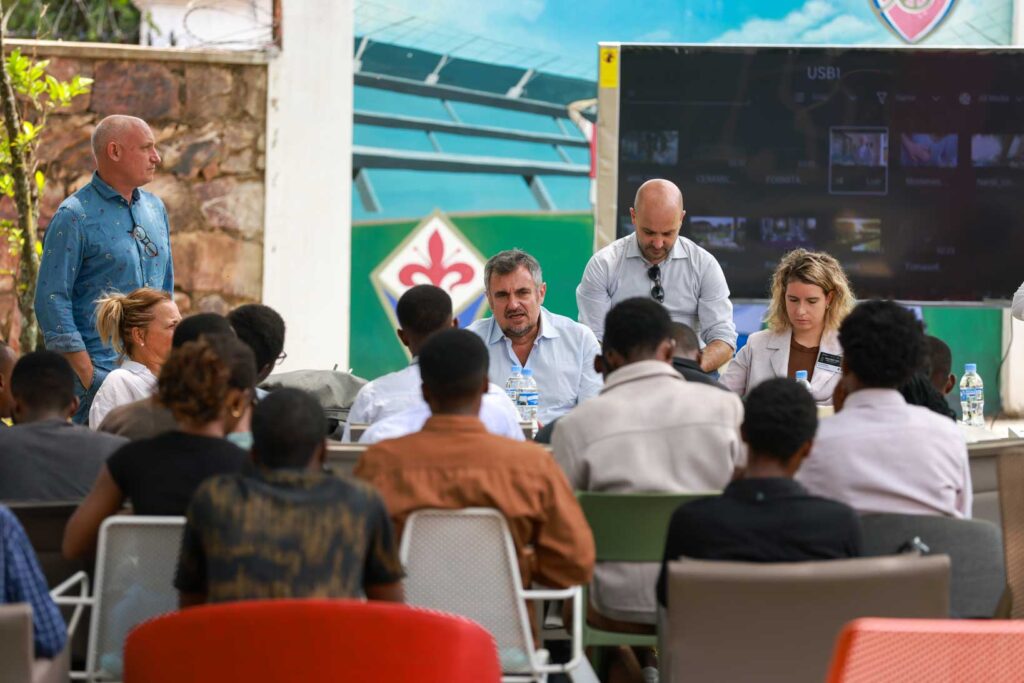
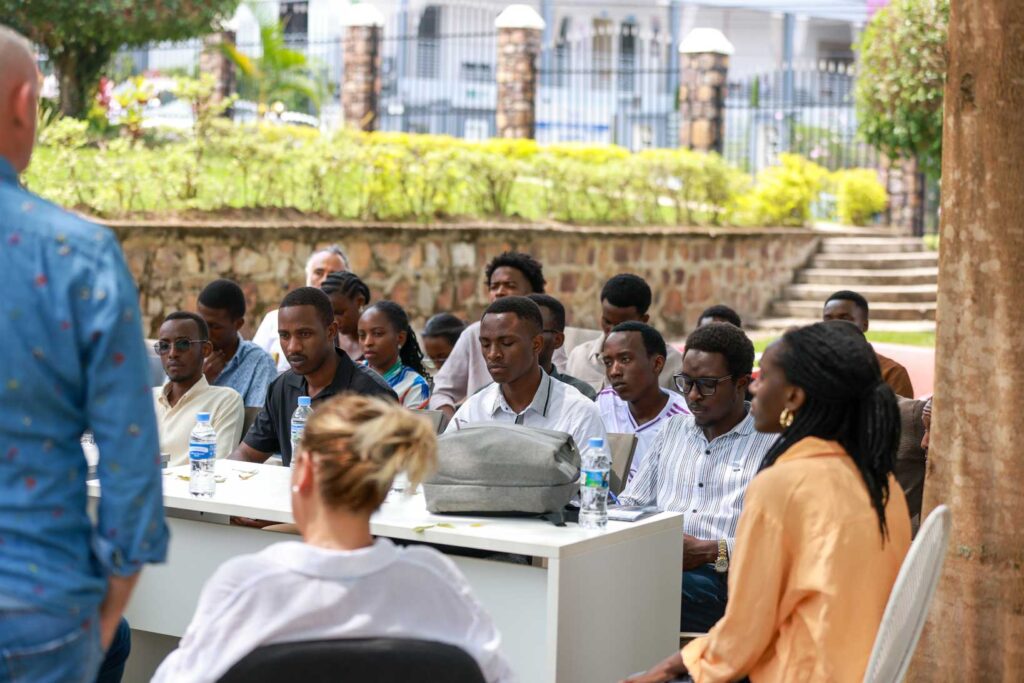
The third day was devoted to a deeper conversation—this time with Rwanda’s emerging generation of architecture and design students. The room, filled with youthful energy, listened as Italian experts introduced the concept of “smart living”: design that anticipates change, values longevity, and builds resilience. One speaker made a striking point: “Cheap products that break are always more expensive in the long run.”
Students asked incisive questions: how to balance cost constraints with quality, how design must respond to local climates, and how to create long term partnerships. The roundtable was less a lecture and more a collaborative lab—an exchange of ideas, challenges, and hopes.
At the event’s close, Mr. Claudio once again offered reflections and ambitions. He emphasized that this initiative is not meant as a one-off showcase but as the beginning of a long-term collaboration between Italy and Africa. He spoke of pilot projects, sustained partnerships, and building bridges of design and business. Importantly, he also announced that a similar Italian Smart Living event will be held soon in other cities such as Addis Ababa, further extending the dialogue into East Africa. He summarized that this event and the others to follow are meant to explore what is possible and secure a win-win opportunity.
What struck me most throughout these days was not only the elegance of Italian design but also the seriousness of intent behind it. The Italian government and business owners are clearly investing significant energy, resources, and creativity into penetrating the African market—not simply by selling products but by engaging with local realities, listening to concerns, and opening the floor to dialogue.
As an observer, I was impressed by this effort. The B2B sessions demonstrated genuine interest in partnerships, while the student roundtable hinted at a generational shift in thinking.
Leaving Kigali, I felt hopeful. If the conversations begun here continue in Addis Ababa and beyond, Italian Smart Living could become more than an event series—it could be the foundation of a new era of exchange where design, business, and culture intertwine across continents.